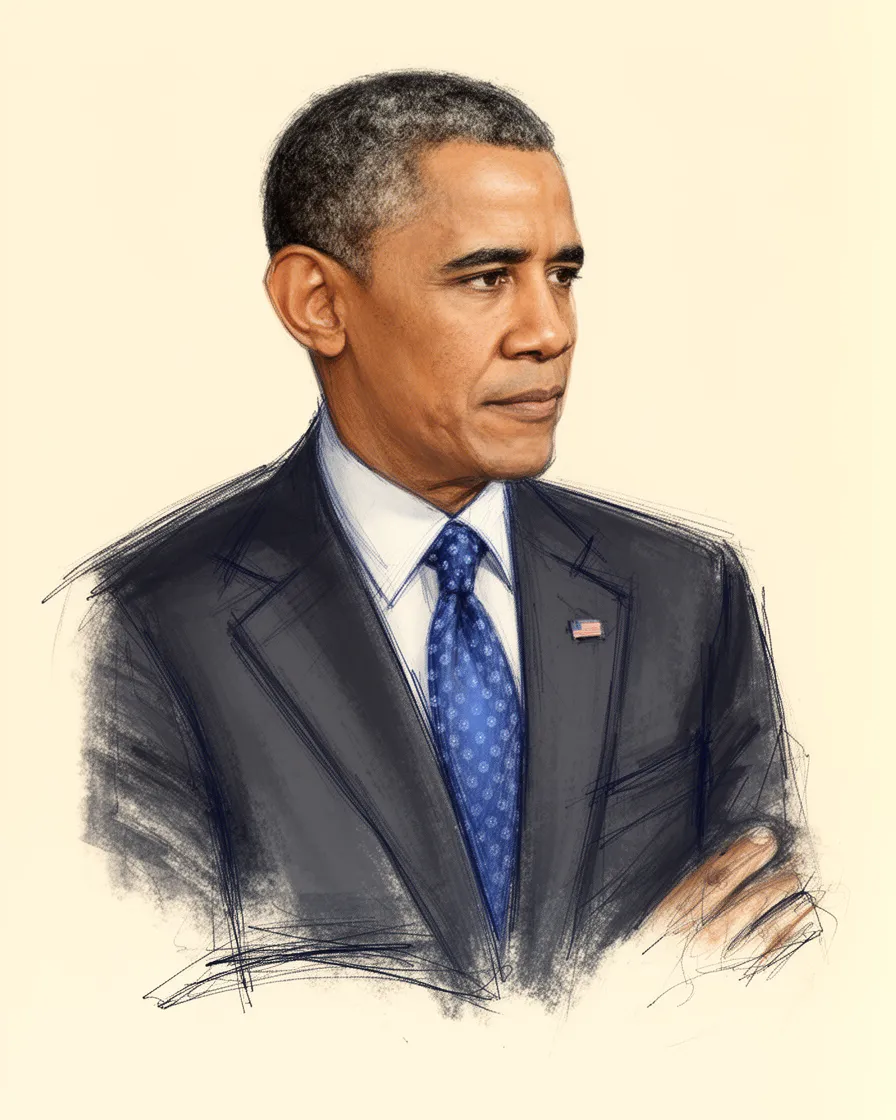
Barack Obama on 9/11
Barack Obama's views and actions concerning the September 11, 2001 attacks are most significantly marked by his decision as President to authorize Operation Neptune Spear, the raid that resulted in the death of Osama bin Laden. This operation, executed on May 1, 2011, by Navy SEALs in Abbottabad, Pakistan, represented the culmination of years of intelligence gathering aimed at bringing the architect of 9/11 to justice. Obama also fundamentally altered the U.S. approach to counterterrorism, moving away from the expansive ground wars in Iraq and Afghanistan toward a strategy that heavily utilized drone strikes and special forces against al-Qaeda and its affiliates. His administration's broader security posture was shaped by the continuing threat emanating from the networks responsible for the 9/11 attacks, influencing decisions in Afghanistan and the authorization of surveillance programs.
Context
Barack Obama was elected president nearly seven years after the September 11 attacks, inheriting the wars in Afghanistan and Iraq that followed the events of 9/11. His administration was therefore tasked with managing the long-term consequences of the attacks, particularly regarding al-Qaeda and the security landscape in the Middle East and South Asia. His Senate voting record and campaign positions indicated a focus on evolving the U.S. response to terrorism, emphasizing a more targeted approach than the broader military engagements initiated by the George W. Bush administration.
Actions Taken
- Military operationAuthorized Operation Neptune Spear, the surgical raid by Navy SEALs that resulted in the shooting death of Osama bin Laden in Abbottabad, Pakistan.
- Legislative StanceAs a Senator, Obama was an early opponent of the George W. Bush administration's 2003 invasion of Iraq, viewing the focus on Iraq as a potential "dangerous distraction" from the core threat posed by al-Qaeda, which he identified as most likely to launch another attack.
- Security PolicyMaintained and expanded surveillance programs, such as those run by the NSA, while also calling for increased restrictions and transparency following the Edward Snowden disclosures, which related to post-9/11 security measures.
- War DrawdownOversaw the end of the Iraq War, with the last U.S. combat brigade exiting in August 2010, though troops remained for training and advising roles until the end of his presidency.
Key Quotes
I do not view it as a recognition of my own accomplishments but rather an affirmation of American leadership on behalf of aspirations held by people in all nations.
Criticism
Said Obama had "allowed Putin to jump back on the world stage and test the resolve of the West," suggesting a perception that Obama's focus elsewhere (post-9/11 aftermath) allowed other global challenges to grow.
Described the targeting and killing of U.S. citizen Anwar al-Awlaki via drone strike as a violation of his constitutional right to due process, a tactic stemming from the War on Terror post-9/11.
Sources4
Death of Osama bin Laden
* This is not an exhaustive list of sources.