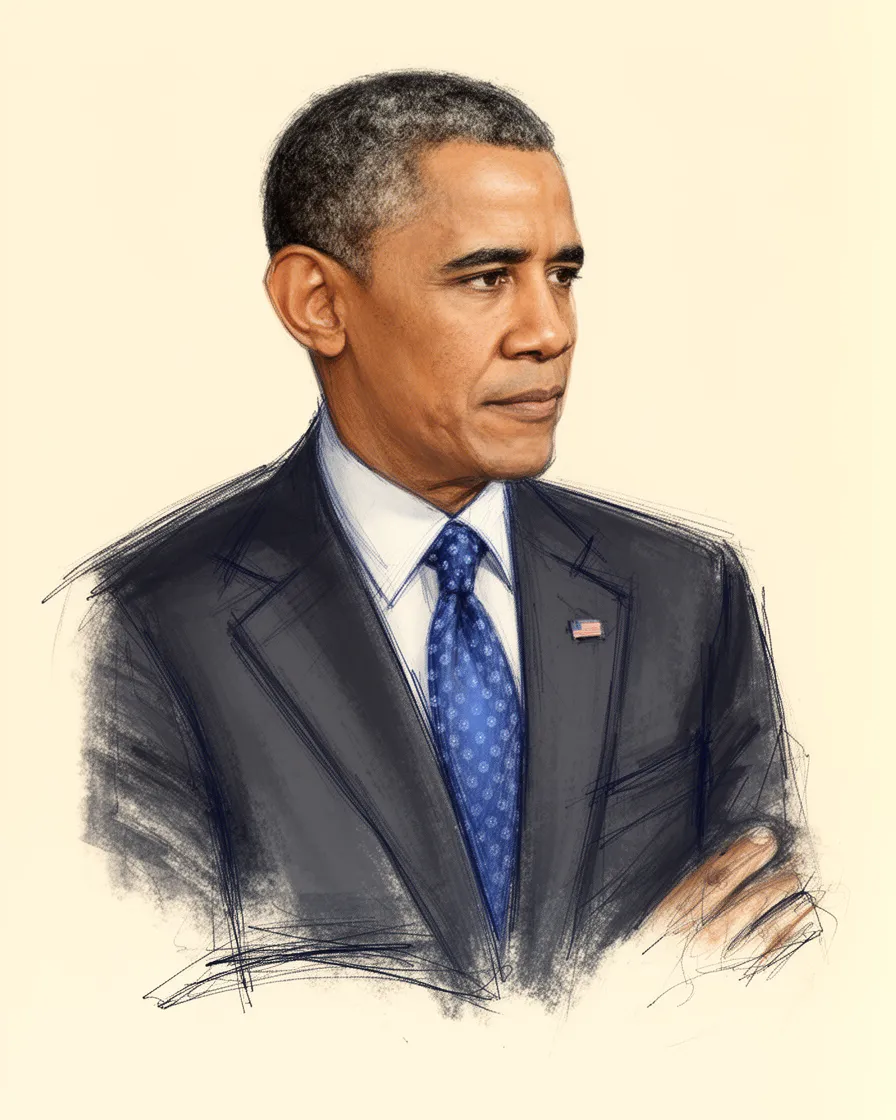
Barack Obama on Edward Snowden
Barack Obama viewed Edward Snowden primarily as someone who illegally disclosed classified information, criticizing his methods while acknowledging the disclosures sparked necessary public debate on surveillance. The President condemned the unauthorized leaks as damaging to national security, but ultimately acted on the resulting public pressure by announcing reforms to NSA programs.
In a major speech addressing the NSA revelations, Obama mentioned Snowden by name, criticizing his actions as unpatriotic and not the lawful, orderly examination he preferred. Obama maintained that the methods Snowden used put national security and vital intelligence-gathering capabilities at risk, particularly as other avenues for airing concerns supposedly existed.
Despite his strong criticism of the act of leaking, President Obama acknowledged the importance of the conversation that resulted from the disclosures, suggesting the debate would ultimately make the country stronger. His administration subsequently implemented reforms, including changes to the NSA's data collection practices, even though he argued these changes were already under review before the leaks began.
Context
The controversy surrounding Edward Snowden centered on his 2013 leak of classified documents detailing the extent of the National Security Agency (NSA)'s global electronic surveillance operations. As President of the United States, Barack Obama was the head of the executive branch responsible for national security and intelligence agencies, putting him at the center of the policy debate ignited by the disclosures.
The administration viewed the leaks as a serious breach of national security, a stance reinforced by the fact that Snowden was charged with espionage. Obama's position balanced the need to defend the surveillance programs necessary for counterterrorism with the need to address public and international concerns about privacy and government overreach.
Timeline
- In his first public comments, President Obama defended the NSA surveillance programs, insisting that for U.S. persons, calls and emails were not being targeted without an individualized court order.
- In a press conference, Obama explicitly stated that Edward Snowden was not a patriot and criticized him for not using existing, though sometimes inadequate, whistleblower channels.
- Obama addressed the issue by name, announcing reforms like ending the government's bulk storage of phone data, while still criticizing Snowden's actions as damaging.
Actions Taken
- Policy ReviewOrdered a review of NSA surveillance programs prior to the leaks becoming public, though Snowden's actions accelerated the process.
- Executive ActionAnnounced a series of reforms to NSA practices, including ending the bulk collection of domestic phone records and seeking greater transparency for the FISC.
Key Quotes
I don't think Mr. Snowden was a patriot.
If any individual who objects to government policy can take it in their own hands to publicly disclose classified information, then we will never be able to keep our people safe, or conduct foreign policy.
My preference -- and I think the American people's preference -- would have been for a lawful, orderly examination of these laws, a thoughtful fact-based debate that would then lead us to a better place.
Criticism
Called for the charges against Edward Snowden to be dropped, stating he should be remembered as a human rights champion for revealing mass surveillance.
Accused President Obama of hypocrisy, pointing to his prior campaign pledges on transparency and whistleblower protection against his administration's actions toward Snowden.