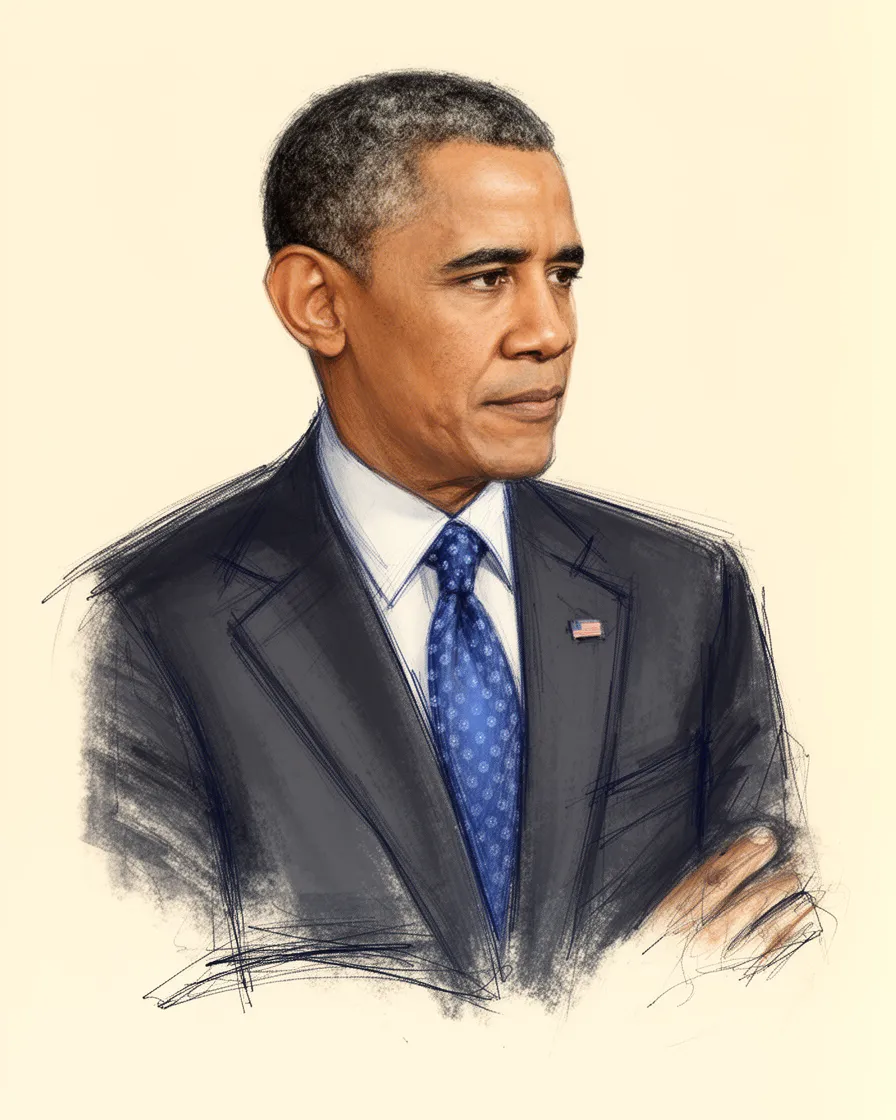
Barack Obama on Iran
Barack Obama prioritized diplomatic engagement with Iran to address concerns over its nuclear program during his presidency. His administration engaged in lengthy negotiations aimed at halting Iran's path to a nuclear weapon, which resulted in the landmark Joint Comprehensive Plan of Action (JCPOA) in 2015.
Obama viewed the JCPOA as a vital step toward a safer world by imposing verifiable restrictions on Iran's nuclear activities in exchange for sanctions relief. However, the deal was deeply controversial, facing strong opposition from Republicans and from Israeli leadership, particularly Prime Minister Benjamin Netanyahu.
Furthermore, the Obama administration's policy included periods of increased tension and contradictory actions, such as continuing a U.S. nuclear weapons production program while simultaneously negotiating with Iran. The eventual lifting of sanctions, coupled with a controversial cash transfer, fueled ongoing political debate regarding the administration's strategy toward Iran.
Timeline
- President Obama released a New Year's video message to the people and government of Iran as part of an outreach effort to the Muslim world.
- Obama condemned the Iranian government's actions against protesters following the disputed 2009 presidential election.
- The administration increased nuclear weapons production by expanding two existing sites to produce new bomb parts, continuing a Bush administration program.
- The Joint Comprehensive Plan of Action (JCPOA) was announced, removing sanctions in exchange for verifiable constraints on Iran's nuclear program.
Actions Taken
- DiplomacyThe Obama administration opened negotiations with Iran to prevent it from acquiring nuclear weapons, which involved an interim agreement in November 2013.
- International AgreementA deal titled the "Joint Comprehensive Plan of Action" (JCPOA) was announced, which involved removing sanctions in exchange for measures preventing Iran from producing nuclear weapons.
- Financial TransactionThe administration transferred $1.7 billion in cash to Iran shortly after the JCPOA was announced, which the administration justified by the effectiveness of U.S. and international sanctions.
- Military ActionObama authorized an air campaign primarily aimed at ISIL in 2014, which was operating in the region near Iran.
- Policy/Investigation AdjustmentThe administration shielded Hezbollah from the Drug Enforcement Administration's Project Cassandra investigation and the Central Intelligence Agency in order to advance the nuclear deal.
Key Quotes
The deal drew strong criticism from Republican and conservative quarters, and from Israeli Prime Minister Benjamin Netanyahu.
Criticism
Criticized the transfer of $1.7 billion in cash to Iran shortly after the JCPOA was announced.
Israeli Prime Minister Netanyahu strongly advocated for the U.S. Congress to oppose the deal, calling it "dangerous" and "bad."
The transfer of cash to Iran shortly after the deal was announced was criticized by the Republican party.