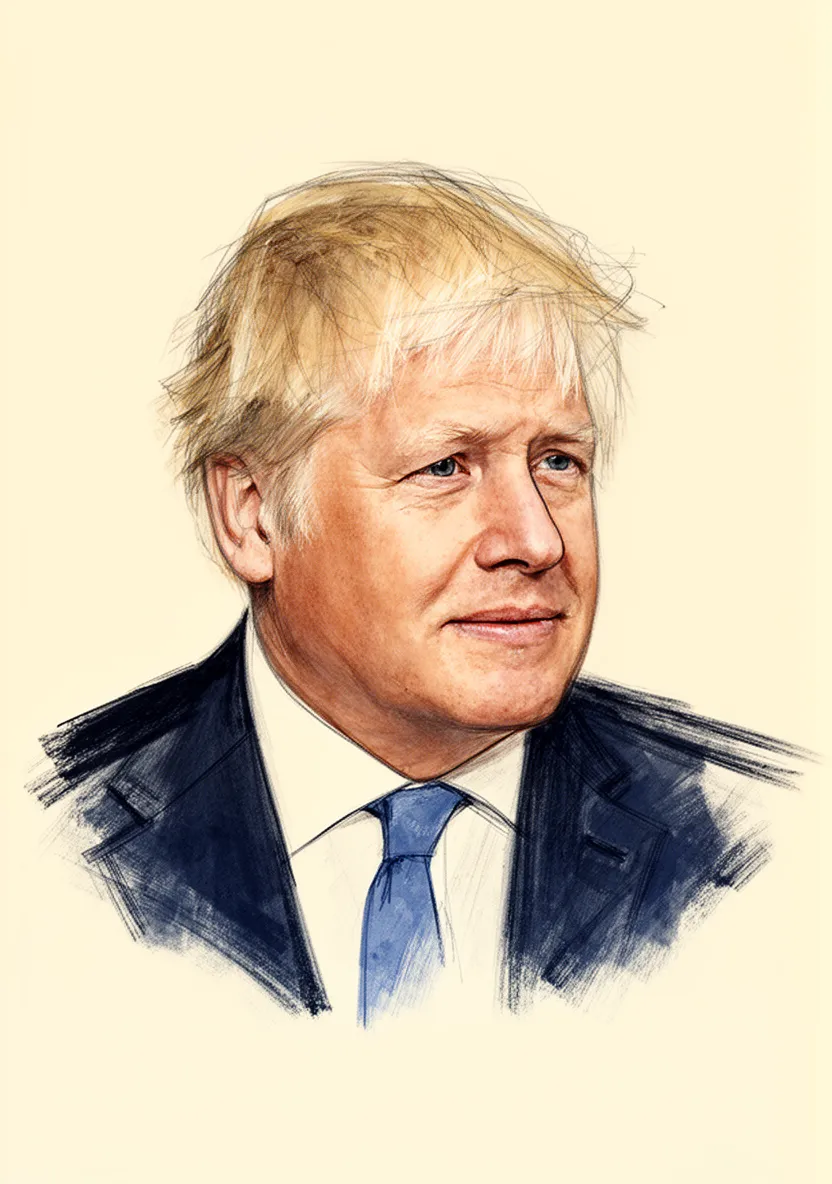
Boris Johnson on China
Boris Johnson's views on China have evolved significantly throughout his career, moving from an early desire for closer economic ties to adopting a more hawkish security and human rights stance as Prime Minister. In July 2019, shortly after becoming PM, Johnson stated his government would be very "pro-China" in an interview with a Hong Kong broadcaster.
He voiced support for China's Belt and Road Initiative and committed to keeping the UK open for Chinese investment during this period. However, this position was heavily challenged by China's actions regarding Hong Kong and the treatment of the Uyghur people.
By the time he left office, the relationship was marked by tension over security pacts like AUKUS and persistent criticism of China's human rights record, suggesting a hardening of his overall position towards Beijing.
Timeline
- As newly appointed Prime Minister, Johnson indicated a desire for a positive economic relationship with China.
- Johnson announced the UK would offer a path to citizenship for Hong Kong residents if China enforced the National Security Law.
- The UK joined the AUKUS defence pact with the US and Australia, a move denounced by China.
- Johnson's government declined to officially label the treatment of Uyghurs as 'genocide', deferring to the ICC, while still condemning the actions.
- After leaving office, Johnson became a commentator for GB News and condemned Hamas's attack on Israel, rejecting calls for a Gaza ceasefire, amid broader geopolitical commentary.
Actions Taken
- Immigration policy responseOffered a path to UK residency for up to 350,000 British National (Overseas) passport holders and 2.6 million eligible individuals if China implemented the Hong Kong national security law.
- Security/Defence allianceThe UK joined the AUKUS defence pact with the United States and Australia, which China denounced.
- Human rights classificationJohnson's government rejected labelling the treatment of Uyghurs in Xinjiang as 'genocide', arguing this determination was for the ICC.
Criticism
Accused the UK of interfering in its internal affairs following the announcement of the Hong Kong residency scheme.
Criticised Johnson's government for cutting domestic air travel taxes despite the environmental impact of aviation, contrasting with international climate commitments.
Sources4
Boris Johnson on China: Will he be more pro-China or more of a hawk?
Hong Kongers on UK visa scheme: how many have arrived?
* This is not an exhaustive list of sources.