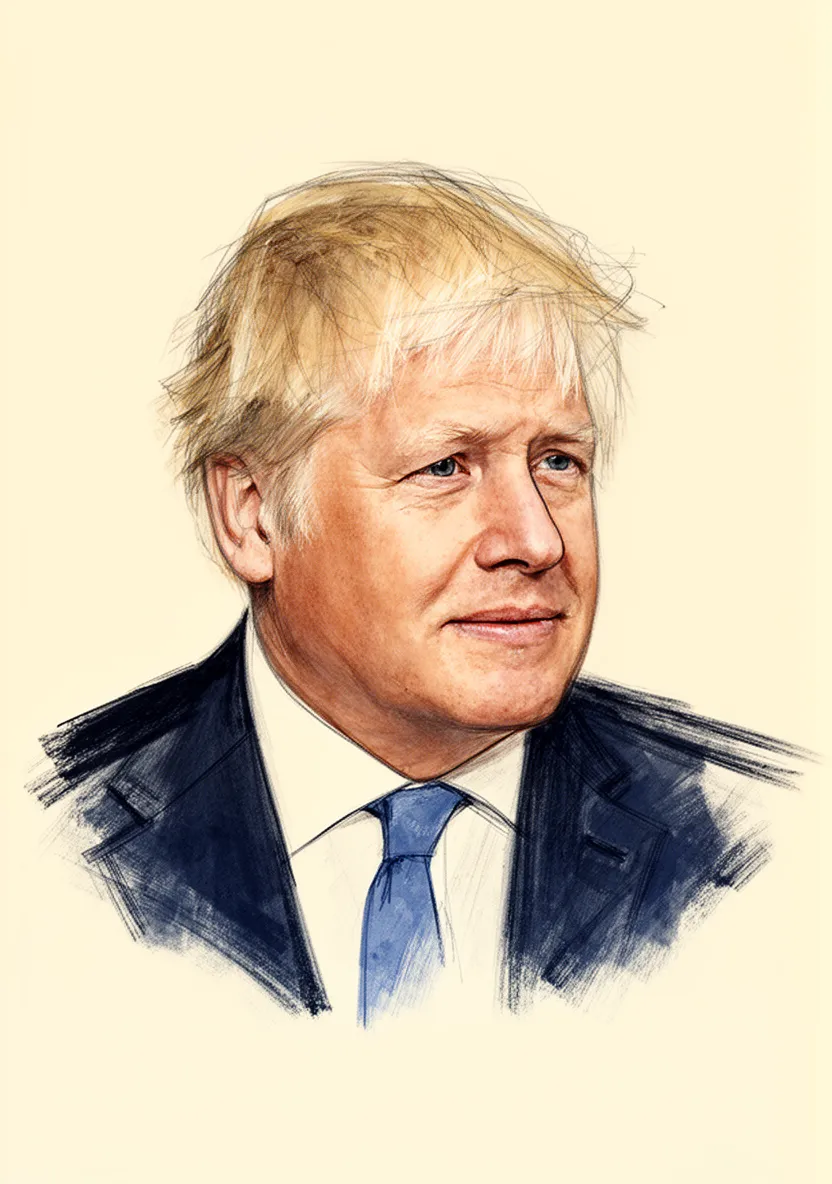
Boris Johnson on GDP
Boris Johnson's public discourse, particularly during his time as Prime Minister, has tended to focus on tangible outcomes and specific policy achievements rather than detailed economic theory centered on Gross Domestic Product (GDP). His focus during his premiership was framed around the mandate to 'Get Brexit Done' and the domestic agenda of 'levelling up', aiming to reduce regional imbalances within the UK. Although achieving economic prosperity is an implicit goal of any government, Johnson's stated metrics often leaned towards success in specific areas like the COVID-19 vaccination programme and international standing, rather than solely concentrating on GDP growth figures.
During his tenure, the economic backdrop was dominated by external shocks like the COVID-19 pandemic and the complexities of the UK–EU Trade and Cooperation Agreement. These events naturally shifted government focus towards immediate crisis management, such as public health spending and trade stability, which superseded extended discussions on traditional macroeconomic benchmarks like GDP. His political ideology is often described as flexible and populist, suggesting a focus on easily communicable political wins over potentially abstract or complex economic measurements for the general public.
As a former editor and columnist, Johnson's style has historically favoured colourful narrative over dry economic analysis, which may explain the lack of direct, detailed public statements about the intricacies of GDP calculation or its sole importance. His emphasis on tangible infrastructure projects and national sovereignty suggests an aim for national improvement broadly defined, where GDP is a factor but not necessarily the defining headline metric he promoted. Therefore, Boris Johnson's view on GDP appears to be one of secondary importance to his overarching political narratives of delivering on the referendum result and addressing regional inequality.
Context
Boris Johnson served as Prime Minister from 2019 to 2022, a period heavily defined by the finalisation of Brexit and the unprecedented global economic disruption of the COVID-19 pandemic. These major events significantly shaped his government's priorities and economic messaging, often pushing long-term structural economic indicators like GDP into the background. His domestic policy platform, 'levelling up', prioritised reducing regional inequality, which is a goal related to but distinct from national GDP growth figures.