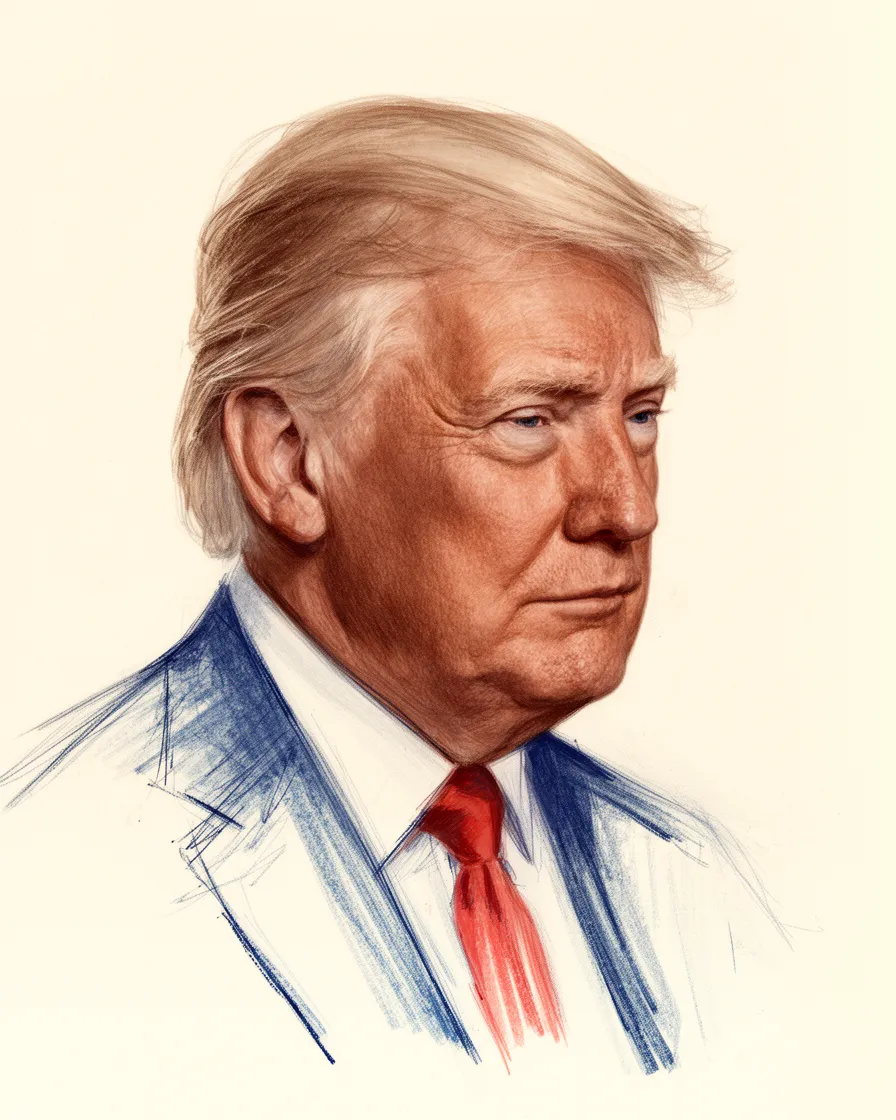
Donald Trump on China Relations
Donald Trump maintains a hawkish and highly competitive posture toward China Relations, building upon the trade war initiated during his first presidency. His overarching theme is securing an "America First" outcome, which necessitates challenging what his administration calls China's unfair trade practices and intellectual property infringements.
During his second term, President Trump appears to be engaging in high-stakes diplomacy, as evidenced by a November 2025 trade and economic deal with President Xi Jinping. This agreement involved mutual concessions, such as the U.S. lowering some tariffs imposed to curb fentanyl flows and China suspending retaliatory tariffs and easing restrictions on U.S. agricultural goods and rare earths.
The global perception is that Trump's aggressive "America First" approach, even while challenging the liberal international order, may paradoxically be contributing to the view that China is gaining global influence, with many international observers noting a shift in power dynamics. His foreign policy continues to prioritize hard power and transactional deals over traditional alliance structures.
Context
Donald Trump's approach to China Relations is central to his broader "America First" foreign policy doctrine. Throughout his political career, he has framed the economic relationship as fundamentally imbalanced, advocating for protectionist measures to reduce the U.S. trade deficit with China.
His actions, including the imposition of Section 301 tariffs, fundamentally altered the economic dynamic between the two global powers during his first term. This focus on economic competition and national security has remained a consistent feature of his political platform.
Timeline
- During his first term, Trump withdrew the U.S. from the Trans-Pacific Partnership negotiations, signaling an early shift away from multilateral trade frameworks involving China.
- The trade war with China officially began as Trump imposed tariffs, citing long-standing unfair trade practices and intellectual property theft by Beijing.
- Donald Trump was sworn in for his second term, signaling a continuation of an aggressive and transactional approach to US-China relations.
- Trump struck a significant trade and economic deal with China's President Xi Jinping, which included measures on fentanyl and mutual tariff adjustments.
Actions Taken
- Trade PolicyInitiated a trade war with China after imposing tariffs and other trade barriers intended to curb unfair trade practices and intellectual property infringement.
- Trade AgreementReached a trade and economic deal with China that included commitments from Beijing to halt the flow of fentanyl precursors and for the U.S. to lower some tariffs imposed to curb those flows.
- Trade Policy ModificationThe U.S. Trade Representative extended tariff exclusions on 178 Chinese products until November 10, 2026, as part of the November 2025 trade agreement.
- Trade Policy ReversalChina confirmed it would remove tariffs on various U.S. goods, including agricultural products, starting November 10, 2025, following the trade agreement.
Comparison
- Compared to First Term: The second term's actions build upon the aggressive stance of the first term, though the recent trade deal suggests a willingness to engage in high-level transactional diplomacy that results in specific, negotiated rollbacks, unlike the sustained escalation of the initial trade war.
- Compared to Global Allies: Trump's unilateral actions, such as imposing tariffs on many countries including Canada and Mexico, contrast with his desire to compel China into specific agreements, showcasing a willingness to disrupt alliances to achieve bilateral gains.
Sources5
Fact Sheet: President Donald J. Trump Strikes Deal on Economic and Trade Relations with China
* This is not an exhaustive list of sources.