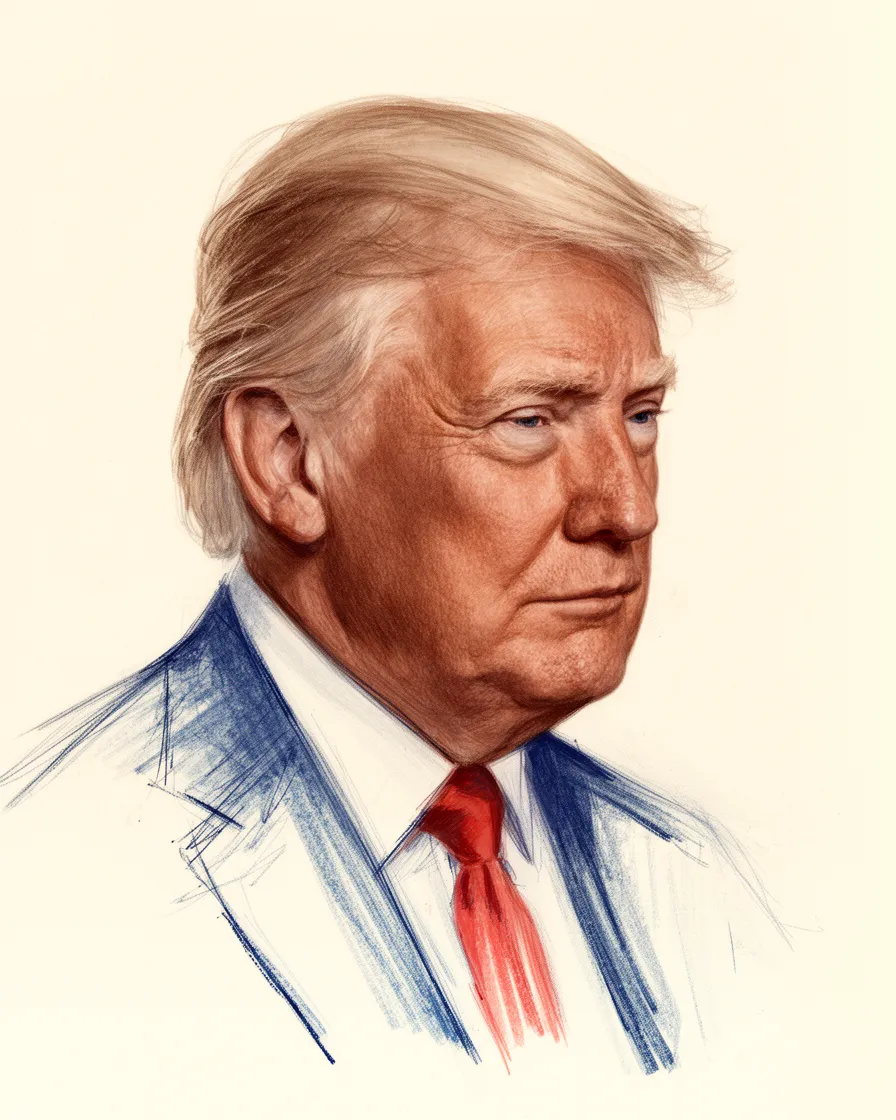
Donald Trump on Freedom of Speech
Donald Trump has positioned himself as a champion of free speech by promising to end what he perceives as government censorship, particularly from social media platforms and previous administrations. He issued an Executive Order on his first day in his second term aimed at stopping federal censorship and correcting past perceived abridgments of free expression.
Despite this positioning, Trump has been characterized as consistently rewarding speech he favors while actively punishing speech he dislikes, which critics label as viewpoint discrimination. His history includes attacking journalists, threatening to sue media outlets, and suggesting measures like revoking broadcast licenses for unfavorable coverage.
Furthermore, Donald Trump has signaled he would support legal measures contrary to established First Amendment protections, such as outlawing flag-burning, which the Supreme Court has ruled as protected speech. Critics argue that his administration's broad attacks on the press and attempts to exert control over media access and funding echo the tactics of authoritarian leaders.
Timeline
- As a candidate, Trump signaled an intent to challenge libel laws and blacklist critical reporters and news outlets from campaign events.
- During his first term, Trump issued an executive order aimed at ensuring universities receiving federal funding promote free inquiry.
- After Twitter began fact-checking his posts, Trump claimed social media platforms were 'totally silencing' conservatives and threatened to 'strongly regulate, or close them down'.
- Upon starting his second term, Trump signed an Executive Order titled “Restoring Freedom of Speech and Ending Federal Censorship,” vowing to stop all government censorship.
- In a speech to Congress, Trump boasted that he had 'stopped all government censorship and brought back free speech in America.'
Actions Taken
- Executive ActionSigned an executive order focused on 'Restoring Freedom of Speech and Ending Federal Censorship' to counter perceived censorship by the previous administration.
- Media Access RestrictionHis administration targeted media outlets by banning The Associated Press from the White House press pool for refusing to use his preferred name for the Gulf of Mexico (ban later overturned by a judge).
- Funding/Budgetary ActionHis administration initiated funding cuts to public broadcasting funds for NPR and PBS stations, citing a failure to create 'fair, accurate, or unbiased' reporting.
- Legal/Regulatory ThreatThe administration has threatened to revoke TV broadcast licenses for media companies critical of him and has pursued lawsuits against news organizations.
Criticism
His actions, including attacks on the independent press and the First Amendment's right to freedom of religion, reveal authoritarian impulses and disdain for the First Amendment.
His actions in the second term, such as targeting critics and setting precedents for presidents to pick and choose media coverage, are described as unprecedented and threaten media freedoms.
The administration's threats against members of Congress, sanctions on law firms, and arrests of protesters show that 'Your right to say something depends on what the administration thinks of it, which is no free speech at all.'
His actions against the media are unprecedented in modern American history and mirror those of authoritarian leaders used to censor political opponents.
Sources10
Donald Trump Thinks the Freedom of the Press Is 'Disgusting' | ACLU
* This is not an exhaustive list of sources.