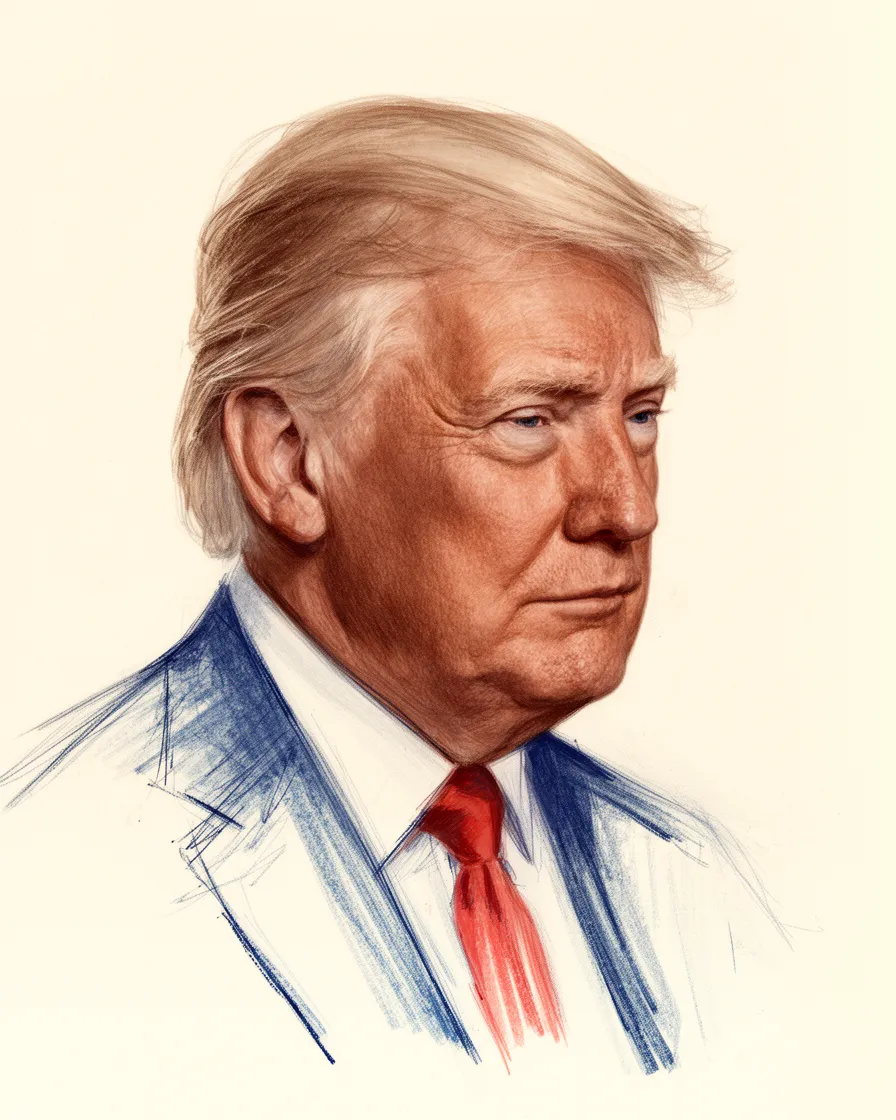
Donald Trump on Healthcare Policy
Donald Trump has consistently maintained a position of repealing and replacing the Affordable Care Act (ACA), a commitment he held throughout his first term and into his second. His proposals advocate for shifting decision-making power from the federal level to states and individuals, aiming for a more market-driven healthcare system.
Key elements of his plans involve deregulation and promoting flexibility and choice, often through measures like allowing insurers to sell across state lines and providing block grants for state Medicaid programs. Historically, his proposals, when analyzed alongside ACA repeal, were projected to reduce insurance enrollment and increase the federal deficit due to the elimination of ACA financing mechanisms.
In his second term, the agenda continues to emphasize these themes, along with tackling fraud, abuse, and pushing for price transparency to lower costs. Furthermore, Donald Trump has committed to protecting Medicare's financial stability without raising the eligibility age or cutting funding, focusing on shifting towards Medicare Advantage plans.
Context
Donald Trump's focus on healthcare policy is central to his political platform, stemming from his 2016 campaign promise to repeal and replace Obamacare. This places him in direct opposition to the legislative framework established by the Patient Protection and Affordable Care Act.
As President, his administration focused on executive actions to dismantle aspects of the ACA and reduce federal regulation across the health sector. His second term agenda signals an acceleration of these efforts, emphasizing choice, deregulation, and fiscal conservatism in healthcare reform.
Actions Taken
- Executive ActionInitiated procedures for repealing the Patient Protection and Affordable Care Act ("Obamacare") via executive order on his first day in office.
- Regulatory RollbackScaled back the implementation of the ACA through executive orders, including halving the enrollment period and drastically reducing funding for enrollment promotion, with the stated desire to "let Obamacare fail."
- LegislationEliminated the penalty associated with the ACA's individual mandate through the Tax Cuts and Jobs Act of 2017.
- Executive ActionRescinded a Biden-era order that extended enrollment periods for ACA plans and provided additional funding for enrollment assistance.
- Proposed Policy ChangeProposed allowing ACA subsidies to expire in his second term with the aim of reducing federal spending, a move that could increase premiums for millions.
Key Quotes
We Are Guaranteeing Protection For. People With Pre-existing Conditions, And. Always Will. We Are Stopping Surprise Medical Bills. And Making Prices Transparent—So That. You Know What It Costs Before You Buy It.
We Are Making Healthcare Higher Quality. And Lower Cost.
Criticism
The policies proposed by Donald Trump, when implemented individually with an ACA repeal, would increase the number of uninsured individuals by 16 million to 25 million relative to the ACA.
Coverage losses from his proposed reforms disproportionately affect low-income individuals and those in poor health, and enrollees with individual market insurance would face higher out-of-pocket spending.
Shifts toward deregulation and a market-driven system under Donald Trump are expected to alter the healthcare policy landscape.
Sources5
Donald Trump's Health Care Reform Proposals: Anticipated Effects on Insurance Coverage, Out-of-Pocket Costs, and the Federal
* This is not an exhaustive list of sources.