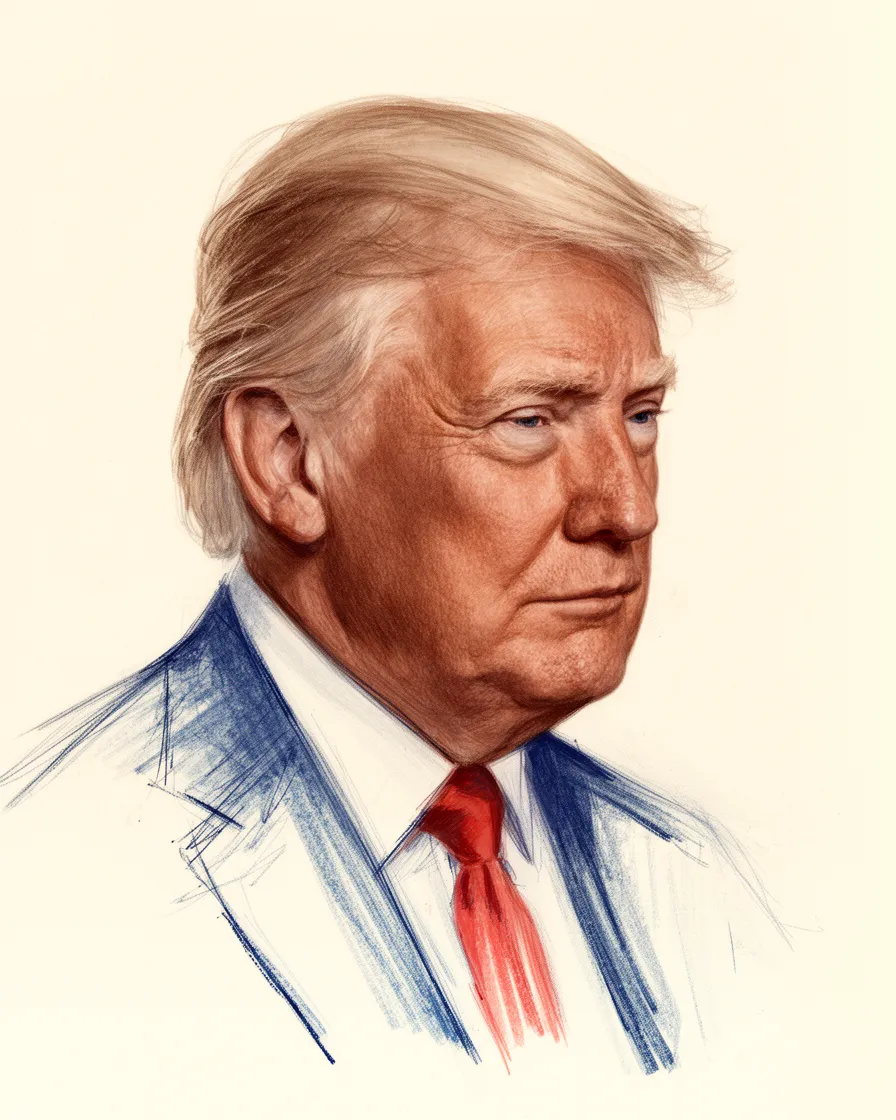
Donald Trump on Inflation Concerns
Donald Trump frames high inflation as a direct consequence of the policies enacted by the Biden administration since 2021.
He consistently contrasts the current economic climate with his first presidency, which he describes as having been characterized by low inflation and robust economic growth prior to the COVID-19 pandemic.
His position is that tariffs and protectionist measures, which he advocates for, are necessary tools to combat inflationary pressures caused by what he views as poor fiscal management and overspending by his successor.
Context
Concerns over inflation became a significant political issue during the period between Donald Trump's first and second presidencies, particularly following the COVID-19 recession.
This economic environment, marked by rising consumer prices, became a central theme in the 2024 presidential election, where Trump sought to leverage public dissatisfaction with the cost of living against incumbent Joe Biden.
Key Quotes
His victory in 2024 was in large part due to the 2021–2023 inflation surge.
Comparison
- Economic Performance Comparison: Trump frequently contrasts the inflation under Biden with the economic situation during his term (2017–2021), arguing his policies led to greater economic stability and lower prices.
- Policy Blame: He directs specific criticism towards the Biden administration's spending policies, such as the CARES Act during the pandemic and subsequent stimulus measures, as the primary drivers of the inflation surge.
- Trade Stance: His support for imposing high tariffs on global trading partners contrasts with the trade policies pursued by the administration he seeks to replace.
Sources2
* This is not an exhaustive list of sources.