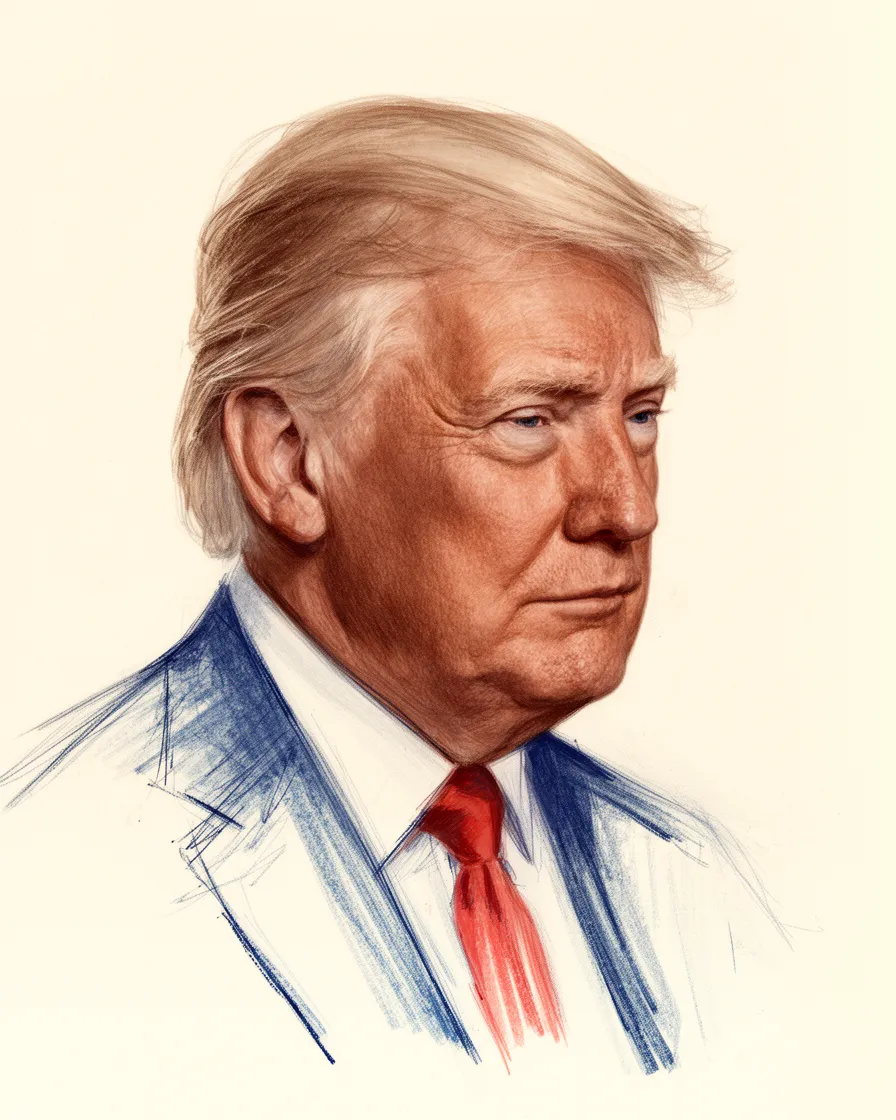
Donald Trump on Iran Relations
Donald Trump's approach to Iran relations is fundamentally adversarial, characterized by a strategy of maximum pressure to force strategic submission from the Iranian regime. This approach, which began with withdrawing from the Joint Comprehensive Plan of Action (JCPOA), has primarily involved the imposition of extensive economic sanctions against Iran's key sectors.
During both his first term and his second term in 2025, President Trump has maintained a hardline stance, often threatening military action in response to Iranian actions or domestic unrest. His administration has explicitly signaled that it seeks a change in Iranian leadership, particularly targeting Supreme Leader Ali Khamenei, while also engaging in direct military signaling in the region.
His position is rooted in the belief that Iran misjudged American resolve in the past, leading to escalations such as direct strikes on Iranian nuclear facilities in 2025. The aim is to deny Tehran a viable path to nuclear weapons and hold the regime accountable for internal repression, blurring the line between domestic coercion and external consequences.
Context
Donald Trump made Iran relations a central focus of his foreign policy, shifting sharply from the preceding Obama administration's engagement strategy. As president, his policy was rooted in nationalism and an "America First" posture that viewed Iran as a dominant regional threat on the road to nuclear weapons.
His actions during his first term included a travel ban affecting Iranian citizens and the abrogation of the JCPOA. These moves were followed by a broad maximum pressure campaign designed to isolate and severely damage Iran's economy through sanctions targeting its financial, oil, and shipping sectors.
Actions Taken
- Foreign Policy DecisionWithdrew the U.S. from the Joint Comprehensive Plan of Action (JCPOA), often referred to as the Iran nuclear deal.
- Economic SanctionsImposed a maximum pressure campaign involving over 1,500 sanctions targeting Iran's financial, oil, and shipping sectors, as well as foreign firms doing business there.
- Military ActionCarried out direct strikes on Iranian nuclear facilities in Operation Midnight Hammer to deny Tehran a nuclear breakout path.
- Diplomatic/Military SignalingIssued threats of military strikes and signaled support for protesters during internal Iranian unrest, warning against mass killings and executions.
Key Quotes
Iran is now the dominant Islamic power in the Middle East and on the road to nuclear weapons.
It's time to look for new leadership in Iran.
Criticism
Urged Trump not to launch airstrikes against Iran due to fears of a major conflict across the Middle East, which helped persuade him to hold off on a military assault in January 2026.
Blamed the US President for casualties, damages, and slander inflicted upon the Iranian nation following domestic unrest.
Sources5
Iran–United States relations during the first Trump administration - Wikipedia
* This is not an exhaustive list of sources.