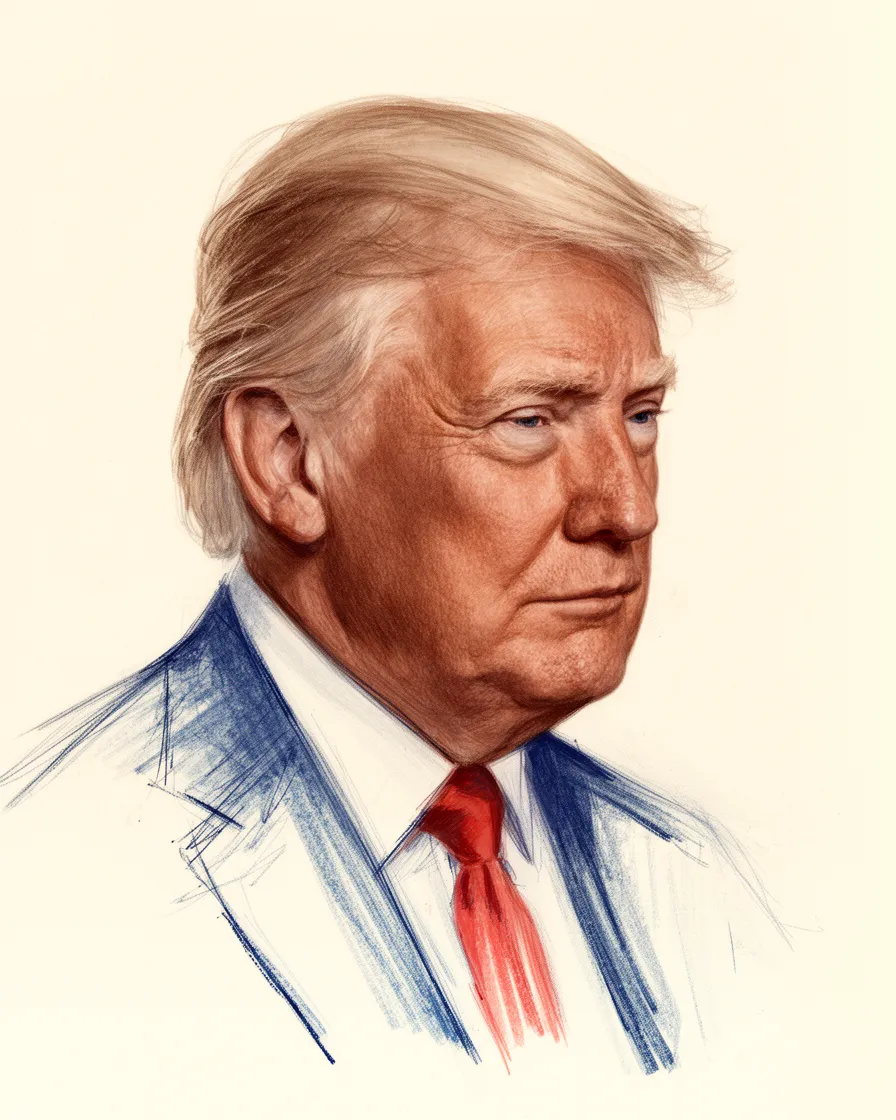
Donald Trump on Israel Relations
Donald Trump maintains a preternaturally pro-Israel stance, which was characterized by an unprecedented series of supportive policies during his first presidency. His approach involves applying extraordinary and unprecedented pressure on Israeli leaders, giving him significant leverage in the relationship. Even while supporting Israel, he has demonstrated a willingness to ignore suggestions or act independently of the Israeli government's stated preferences on key issues.
During his first term, Donald Trump enacted several significant, concrete policy shifts highly favorable to Israel. These actions included recognizing Jerusalem as Israel's capital and moving the U.S. embassy there, as well as acknowledging Israeli sovereignty over the Golan Heights. Furthermore, his administration took steps like shuttering the Palestine Liberation Organization office in Washington, D.C.
In his second term, his involvement in the region has included bringing about a ceasefire in Gaza and securing the return of all living Israeli hostages following the October 2023 attack. He also supported Israel in a joint operation targeting Iran's nuclear infrastructure. His efforts to shape post-conflict governance in Gaza, through initiatives like the Board of Peace, have sometimes occurred without full coordination with Israeli Prime Minister Benjamin Netanyahu, highlighting Trump's controlling dynamic in the relationship.
Context
Donald Trump's relationship with Israel is a central element of his 'America First' foreign policy, often aligning closely with the policies of then-Israeli Prime Minister Benjamin Netanyahu during his first term. This relationship has given Donald Trump unmatched leverage over Israeli political decision-making, as Netanyahu has often relied on Trump to counter domestic political pressures.
His strong alignment meant that he faced less domestic party backlash regarding Israeli policy compared to other presidents. However, in his second term, tension arose, with reports indicating Trump cut direct contact with Netanyahu due to perceptions of manipulation and frustration over the lack of a concrete plan regarding regional threats like Iran.
Timeline
- During the 2016 campaign, Donald Trump faced criticism for stating he would be a "neutral guy" between Israelis and Palestinians to maintain credibility with both sides.
- As president, Donald Trump recognized Jerusalem as the capital of Israel and moved the U.S. embassy there, a move contrary to the preceding administration's stance.
- Trump hosted the signing of the Abraham Accords, normalizing relations between Israel and several Arab nations like the UAE and Bahrain.
- Reports surfaced that Trump cut direct contact with PM Netanyahu over concerns that Netanyahu was trying to manipulate him regarding regional strategy.
- As part of his Gaza peace plan, Trump established the Board of Peace to oversee transitional governance, a step Israel stated was uncoordinated with them.
Actions Taken
- Foreign Policy ActionRecognized Jerusalem as Israel's capital and moved the U.S. embassy there.
- Foreign Policy ActionShuttered the Palestine Liberation Organization (PLO) office in Washington, D.C.
- Foreign Policy ActionRecognized Israeli sovereignty over the Golan Heights.
- DiplomacyHosted the signing of the Abraham Accords between Israel and the United Arab Emirates and Bahrain to normalize relations.
- Conflict ResolutionBrought about a ceasefire in Gaza and the return of all living Israeli hostages.
- Military ActionJoined Israel in a twelve-day war targeting Iran's nuclear infrastructure.
Criticism
Criticized Donald Trump during the 2016 campaign for lacking commitment to Israel, noting he previously declined to recognize Jerusalem as the capital and suggested a 'neutral guy' approach.
Objected to the membership of the Board of Peace executive committee, stating the announcement was 'not coordinated with Israel' and 'runs contrary to its policy,' particularly criticizing the inclusion of Turkey and Qatar.
Sources5
There's Never Been a President Like Trump on Israel
* This is not an exhaustive list of sources.