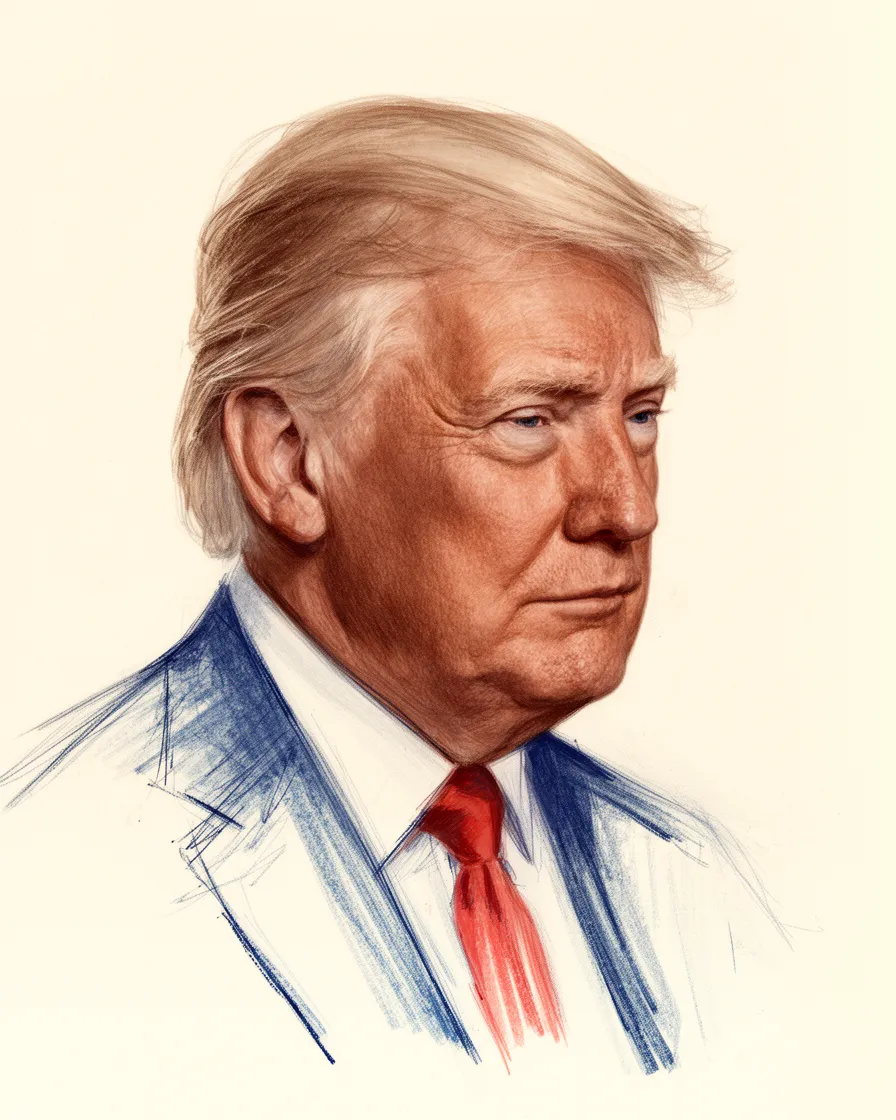
Donald Trump on Russia Relations
Donald Trump has consistently expressed a desire to re-calibrate U.S.-Russia relations, often advocating for better ties than those existing between Moscow and previous U.S. administrations. During his first presidential campaign, he spoke highly of Vladimir Putin and suggested he could achieve a diplomatic 'grand bargain' by setting aside ideology for national interests.
Despite these stated aspirations, his first term was overshadowed by allegations of collusion between his campaign and Russian officials, which he repeatedly dismissed as a "total witch hunt." In a high-profile 2018 Helsinki summit, Trump publicly accepted Putin's denial of election interference over the findings of U.S. intelligence agencies.
During his second term, Trump's stance has appeared more transactional and focused on ending the conflict in Ukraine, which he claims he would resolve immediately. Actions have included withdrawing the U.S. from the Intermediate-Range Nuclear Forces Treaty citing alleged Russian noncompliance and suggesting support for Russia's possible return to the G7, while also criticizing Russia's actions.
In his second term, Trump's administration has prioritized ending the war in Ukraine, with Trump stating the conflict "should never have started" and should have been ended long ago through peace efforts. He has also publicly criticized Putin for recent actions, such as a large drone attack on Ukraine, claiming Putin has "gone absolutely CRAZY" and weighing new sanctions.
Context
Donald Trump's perspective on Russia relations is a focal point of both domestic and international scrutiny because of the extensive investigations into Russian interference in the 2016 U.S. election. His perceived warmth towards President Putin stands in contrast to the traditional adversarial stance of U.S. foreign policy toward the Russian government.
This relationship is significant as it directly impacted U.S. alliances, such as NATO, which Trump frequently criticized, suggesting the U.S. should withdraw. Furthermore, the perceived closeness has been cited as a factor in Russia's perception of weakness from the U.S., potentially encouraging aggression like the invasion of Ukraine.
Timeline
- Prior to his candidacy, Donald Trump stated he had a relationship with Putin, claiming to have spoken with him indirectly and directly, and found him to be very nice.
- During his campaign, Trump publicly denied knowing Putin or having spoken to him, shifting his stance following initial disclosures about contacts.
- Six months into his first term, policy showed little change from Obama-era tensions; the White House worked to reduce tensions while facing scrutiny over campaign ties.
- At the Helsinki summit, Trump publicly accepted Putin's denial of 2016 election interference over his own intelligence agencies' findings.
- Trump met with Putin without a US notetaker, an unheard-of break in protocol, and confiscated the translator's notes afterward.
- Following Russia's full-scale invasion of Ukraine, Trump called Putin 'pretty smart' for taking over a country for a low cost in sanctions, attributing the situation to a 'rigged election.'
- Trump claimed Putin prefers him over Biden because Biden would 'hand over Ukraine to Russia,' suggesting Putin's actions are a result of the current administration.
- In his second term, Trump and VP Vance publicly confronted Ukrainian President Zelenskyy, and the administration proposed a 'peace plan' allegedly reflecting Russian demands.
- Trump stated he was 'not happy' with Putin after a record drone attack on Ukraine, suggested Putin has 'gone absolutely CRAZY,' and weighed new sanctions.
Actions Taken
- Treaty WithdrawalWithdrew the U.S. from the Intermediate-Range Nuclear Forces Treaty, citing alleged Russian noncompliance.
- Bilateral AgreementAgreed with Putin on a joint cyber security working group during their meeting, despite ongoing election interference discussions.
- Sanctions Policy ShiftWeakened existing U.S. sanctions imposed after the 2014 Russian annexation of Crimea.
- Executive ActionDeclared a national energy emergency during the second term, aligning with broader protectionist and anti-international order policies.
Key Quotes
"President Putin says it's not Russia. I don't see any reason why it would be,"
"I've always said that he wants ALL of Ukraine, not just a piece of it, and maybe that's proving to be right, but if he does, it will lead to the downfall of Russia!"
"He has gone absolutely CRAZY!"
"The whole thing is just crazy. Biden is going to give him Ukraine the way looking to me. It's so pure have Biden."
Criticism
Loomed over his first term due to the accusation that Moscow meddled in the 2016 election, which Trump repeatedly cast doubt upon.
Contradicted Trump's public denials by confirming that quite a few people from his entourage had been in contact with Russian representatives during the 2016 campaign.
His first-term focus on personal relations may have encouraged Putin's perceived aggression, such as in Ukraine.
Comparison
- Relationship Goal: Trump sought to bring relations out of their post-Cold War nadir by prioritizing a transactional approach over ideology, contrasting with a more adversarial baseline.
- Ukraine: Trump considers U.S. military aid to Ukraine a waste of money and suggested he would bring the war to an immediate end, which contrasts with continued support for Kyiv by other US leaders.
- Alliances: Trump was openly critical of NATO allies and suggested the U.S. might withdraw, straining relations with European allies.
Sources9
Key moments in Trump and Putin's unpredictable relationship
* This is not an exhaustive list of sources.