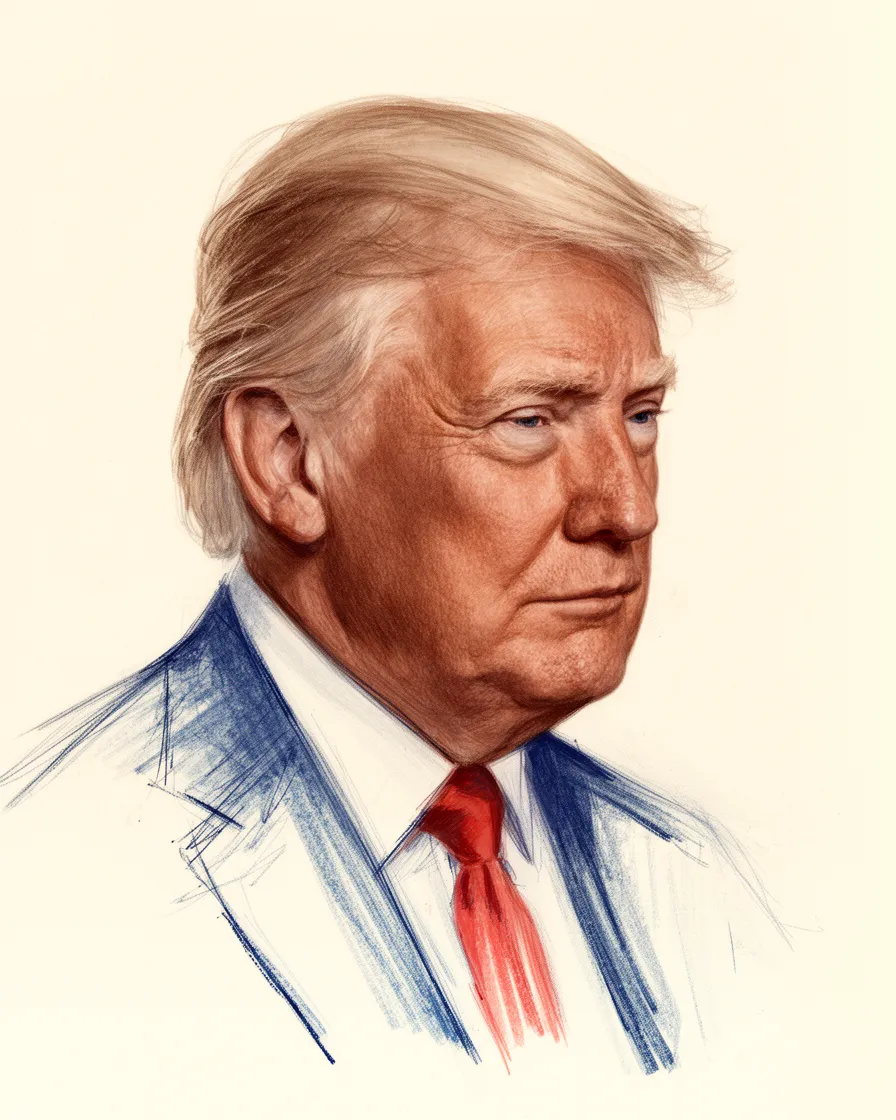
Donald Trump on Vladimir Putin
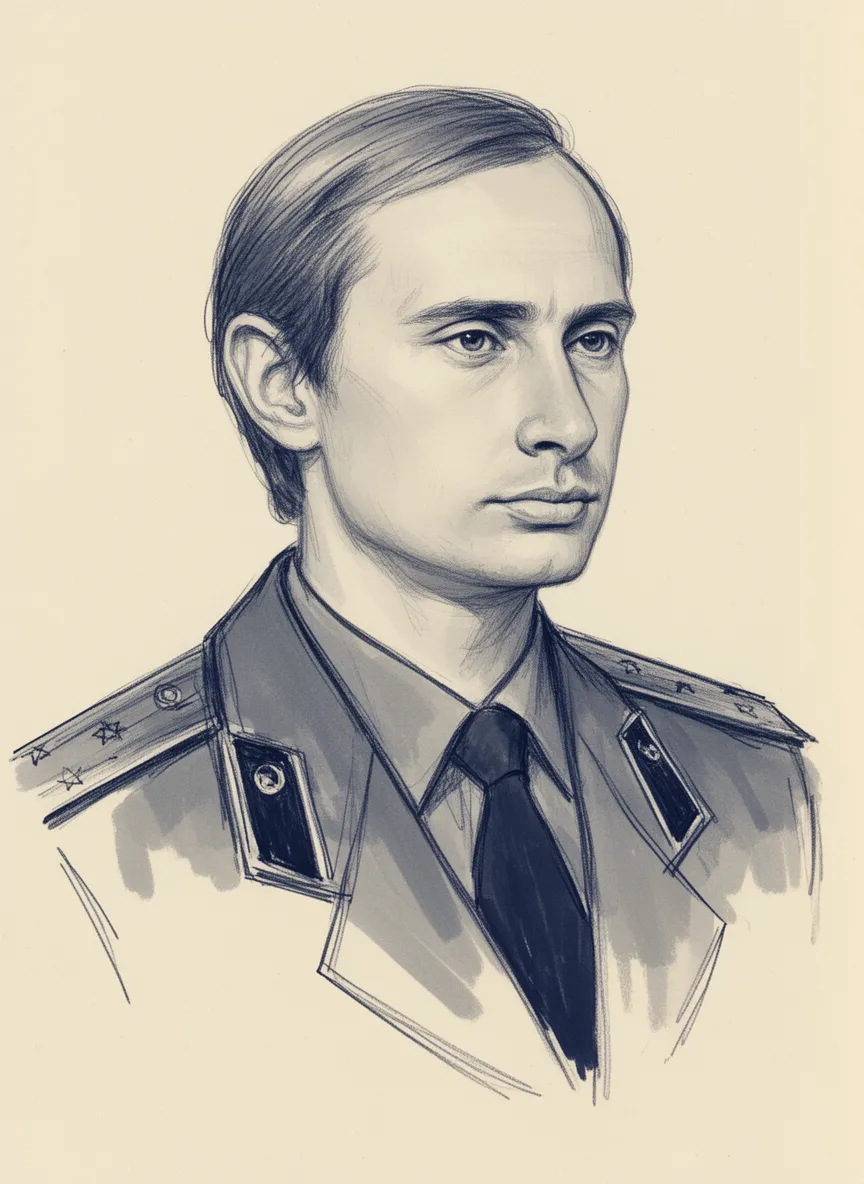 Flip
Flip Donald Trump has maintained a strong, yet fluctuating, relationship with Vladimir Putin, characterized by both past admiration and recent, conditional criticism.
During his first term, Trump rarely criticized the Russian president, which led to international concern and suggestions that he was aligned with Putin's stance on several issues.
More recently, particularly following the full-scale invasion of Ukraine, Trump has expressed frustration with Putin's actions, while simultaneously arguing that the war should have been prevented or ended quickly, often implying that Ukraine or the current U.S. administration is responsible for its continuation.
Context
Donald Trump’s stance toward Vladimir Putin and Russia has been a central, often controversial, element of his political career, particularly concerning U.S. foreign policy and national security. During his first presidency (2017–2021), Trump's perceived closeness to the Russian president drew intense scrutiny, especially amid investigations into Russian interference in the 2016 election.
In his second term (2025–present), the primary focus of the Trump-Putin dynamic is the ongoing Russo-Ukrainian war. Trump has positioned himself as the only leader capable of ending the conflict, often suggesting this requires Ukraine to make territorial concessions to Russia.
Timeline
- During his election campaign, Trump denied knowing Putin, stating, "I never met Putin, I don't know who Putin is ... Never spoken to him."
- Following Russia's full-scale invasion of Ukraine, Trump called Putin "pretty smart" for taking over territory with minimal sanctions, and claimed the conflict resulted from a "rigged election."
- After the Wagner Group mutiny, Trump stated that Putin was "somewhat weakened" but also cautioned that any alternative to Putin's leadership could be "far worse."
- As president, Trump told Ukraine it "should have never started the war" and that he could have negotiated a deal giving Russia "almost all of the land" to avoid the conflict.
- President Trump and President Putin spoke about the need for peace and a ceasefire in the Ukraine war, agreeing the conflict must end with a lasting peace.
- Trump stated that Putin had "gone absolutely CRAZY" following a massive drone and missile attack on Ukraine, while also criticizing Ukrainian President Zelenskyy.
- Trump stated he is "not thrilled with Putin" over the high number of war deaths but maintained the war should not have started under the current administration, framing it as "Biden's war."
Actions Taken
- Foreign Policy SanctionsWeakened the toughest U.S. sanctions imposed after Russia's 2014 annexation of Crimea during his first term.
- Treaty WithdrawalWithdrew the U.S. from the Intermediate-Range Nuclear Forces Treaty, citing alleged Russian noncompliance.
- Bilateral SummitHeld a summit with President Putin in Anchorage, Alaska, on August 15, 2025, to discuss the Russo-Ukrainian war.
- Diplomacy/NegotiationAuthorized peace talks between Russia and the U.S. following a phone call with Putin on February 12, 2025.
Criticism
Have been frustrated by Trump for repeatedly echoing Kremlin talking points regarding the war and ridiculing Ukrainian President Zelenskyy's government.
Point to his consistent failure to criticize Putin strongly, especially during his first term, as evidence of a concerning relationship.
Has expressed frustration with Trump's rhetoric, which at times has seemed to echo Russian disinformation narratives.
Sources7
Putin 'Somewhat Weakened' by Mutiny, Trump Says - VOA
Trump Says He's 'Not Thrilled With Putin' Over War Deaths | APT - YouTube
Trump says Zelenskyy holding up Ukraine peace, Putin 'ready' to make deal - Global News
'Genius,' 'Savvy': Trump reacts to Putin's moves on Ukraine exactly as you'd expect - The Washington Post
2025 Russia–United States summit - Wikipedia
* This is not an exhaustive list of sources.