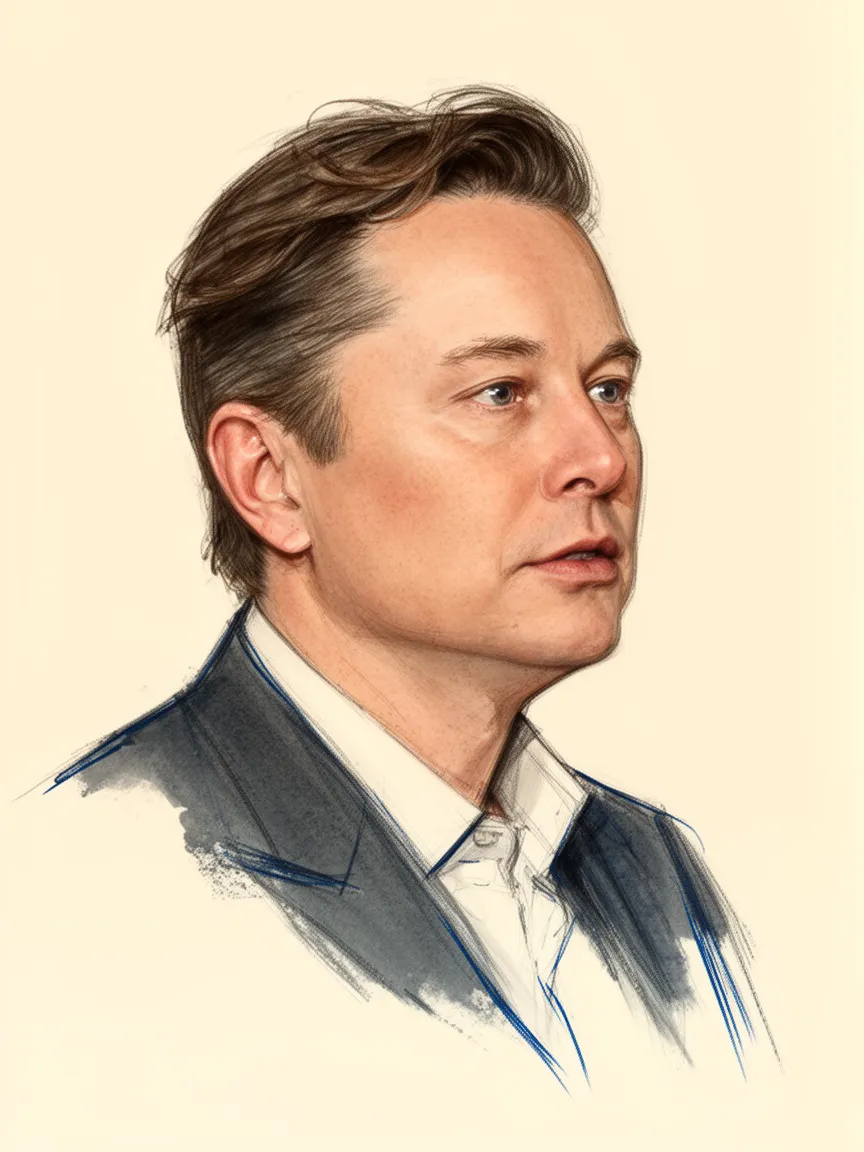
Elon Musk on Free Speech Philosophy
Elon Musk publicly claims to be a “free speech absolutist,” framing his takeover of X (formerly Twitter) as a defense of the principle, which he calls the “bedrock of a functioning democracy.” He has stated his philosophy is against censorship that goes far beyond the law, asserting that if citizens desire less free speech, they should petition the government to pass specific laws.
His practical interpretation of this philosophy is that free speech “simply means that which matches the law.” This has led to him lessening content moderation and reinstating previously banned figures, such as Donald Trump, after acquiring the platform in 2022.
Despite these claims, Musk's application of this principle has been described as inconsistent, leading to claims that he is not an absolutist. For instance, he has been accused of employing measures like “freedom of speech, but not freedom of reach,” and taking action against accounts that criticize him or his businesses, which critics argue violates his own stated ideals.
Context
Elon Musk's views on free speech are inextricable from his ownership of X (formerly Twitter), which he views as the “de facto public town square.” His involvement in media regulation makes his philosophical stance highly consequential, as he controls a platform that influences global discourse.
His definition of free speech is also complicated by his concurrent political activities, including his role as a Senior Advisor in the Trump administration. Legal experts note that when a platform owner is also a government employee, the distinction between private moderation and state censorship becomes legally and ethically challenging.
Timeline
- Expressed initial interest in buying Twitter, questioning the platform's commitment to free speech.
- Began his campaign to acquire Twitter, framing the purchase primarily around protecting free speech from perceived over-moderation.
- Qualified his absolutist stance by stating a policy of "freedom of speech, but not freedom of reach," suggesting content visibility could still be limited.
- Framed reforming X as a “battle for the future of civilization” against the “woke mind virus,” suggesting a strong ideological component to his free speech defense.
Actions Taken
- AcquisitionAcquired Twitter to transform it into a platform championing free speech, which he views as the digital town square.
- Reinstated banned users, including former President Donald Trump, citing a commitment to broader free expression.
- Banned the ElonJet account, which tracked his private jet usage, and temporarily banned journalists reporting on the incident.
- Sued the advocacy site Media Matters after it published a report alleging ads were served next to hate speech on X.
Key Quotes
Free speech is the bedrock of a functioning democracy, and Twitter is the digital town square where matters vital to the future of humanity are debated.
By "free speech", I simply mean that which matches the law. I am against censorship that goes far beyond the law.
I hope that even my worst critics remain on Twitter, because that is what free speech means.
Criticism
Accused Musk of hypocrisy for attacking advocacy organizations that called for advertising boycotts, which they considered political speech he was trying to suppress.
Point out inconsistencies, such as supporting censorship when it aligns with his political interests (e.g., actions regarding government compliance or when criticizing rivals), contradicting his self-styled absolutism.
Argued that Musk's 'love for free speech' appears fake, noting his business interests in China where expression is heavily controlled, and his willingness to sue advocacy groups.
Sources6
Elon Musk’s Free Speech Culture, and Twitter
* This is not an exhaustive list of sources.