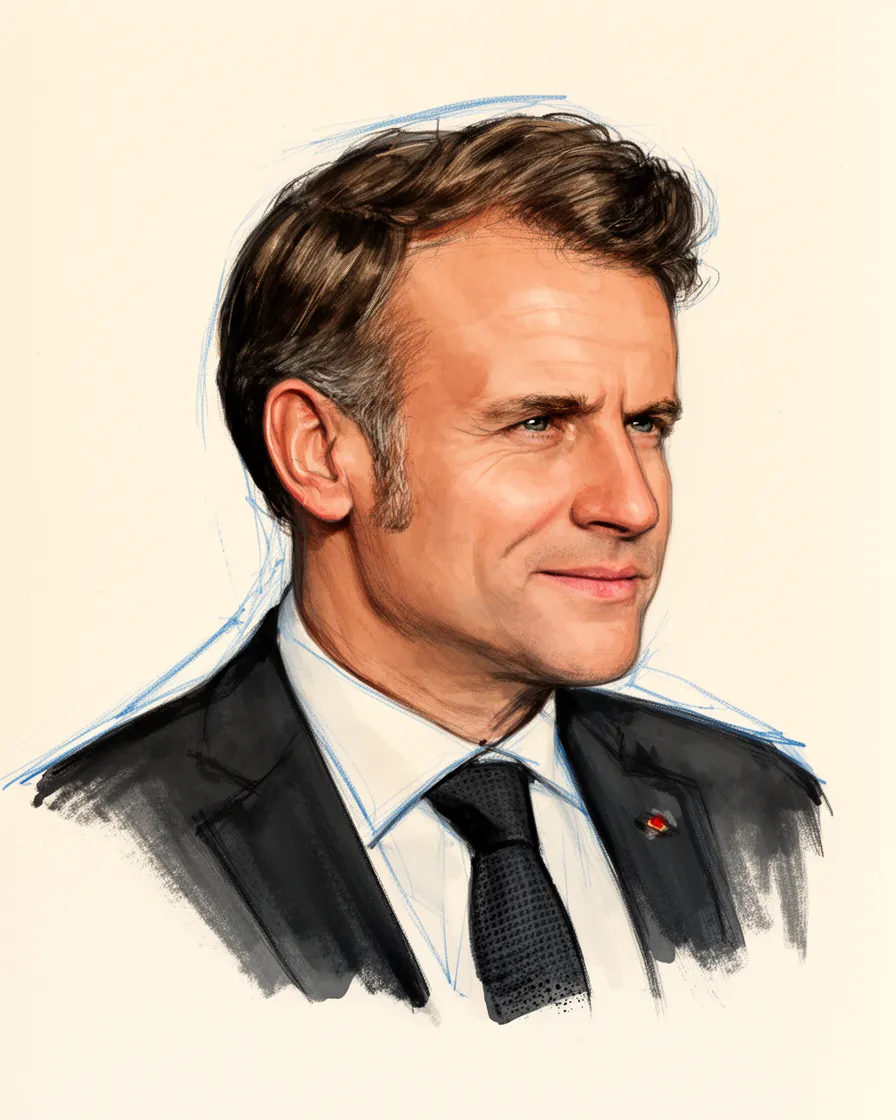
Emmanuel Macron on Cybersecurity Policy
Emmanuel Macron has made cybersecurity and digital resilience a significant focus of his presidency, framing it within a broader strategy of European strategic autonomy. He advocates for France and the EU to develop strong, sovereign digital capabilities to resist foreign interference and protect critical infrastructure from sophisticated cyber threats. Macron's policy emphasizes the need to identify and hold malicious actors accountable, as evidenced by his administration's response to election-related cyber incidents.
In addition to national defense, President Macron has addressed the issue in the context of European Union cooperation, pushing for common frameworks for cyber defense and resilience among member states. His vision integrates cybersecurity into foreign policy, recognizing digital threats as a direct challenge to national security and European stability.
This focus on digital defense predates his presidency, as his 2017 campaign highlighted concerns over Russian disinformation and cyber interference during the election cycle. This early recognition set the tone for a presidency prioritizing a proactive and assertive stance on cyber defense and digital governance.
Context
Emmanuel Macron, as President of France, holds the ultimate authority over national security and defense policy, which inherently includes the domain of cybersecurity. His background as a former senior civil servant and Minister of Economics gives him a comprehensive view of how digital threats intersect with economic stability and state functions. Macron's pursuit of European sovereignty means that cybersecurity is treated not just as a national technical issue, but as a crucial component of collective European defense and digital independence from external technological powers. This context explains his proactive engagement on the topic both domestically and within EU/NATO frameworks.
Actions Taken
- Accusation Foreign InfluenceAccused Russian state media outlets, specifically RT and Sputnik News, of being the primary source of false information targeting his 2017 presidential campaign.
- Cyber Attack ResponseHis digital campaign manager reported high-level cyberattacks, linked to the Russian hacking group Fancy Bear, during the 2017 presidential election period.
- Diplomatic ActionAddressed concerns over Russian influence and disinformation during a meeting with Vladimir Putin at the Palace of Versailles.
- National Security DecisionIssued directives to bolster French participation in airstrikes against Syrian government sites following a chemical attack, highlighting the intersection of physical and cyber conflict domains.
Key Quotes
We are accusing **RT** (formerly known as Russia Today) and **Sputnik News** (of being) the first source of false information shared about our candidate ...
Criticism
Labeled Macron the 'media candidate' and faced allegations of using campaign funds improperly, sometimes linked to his associations with media figures and potential conflicts of interest related to his banking past.
Sources4
The Guardian: Macron’s digital campaign manager tells Sky News that Russia is behind ‘high level attacks’ on Macron
Macron meets Putin at Versailles: Russia Today and Sputnik accused of spreading disinformation
- Trend Micro report detailing hacking of En Marche by Fancy Bear
* This is not an exhaustive list of sources.