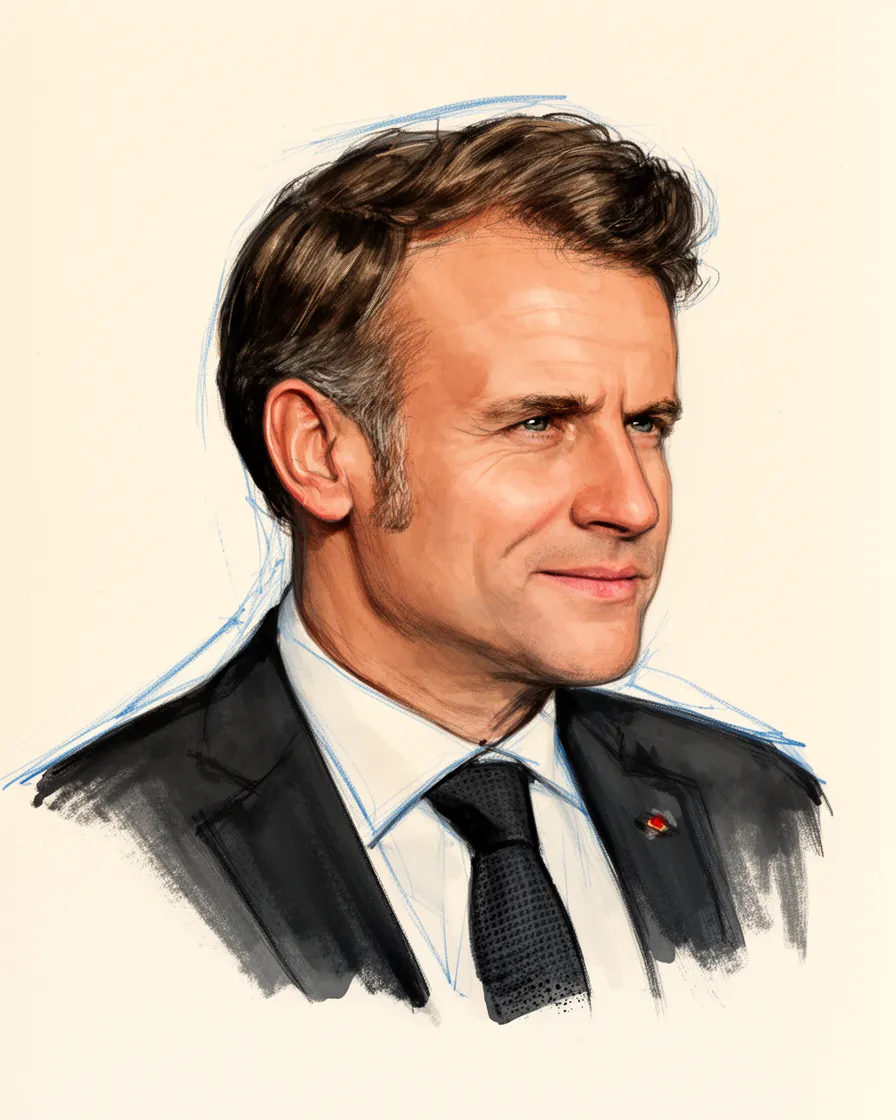
Emmanuel Macron on French Economy/GDP Growth
Emmanuel Macron's overarching economic goal is to enhance French GDP growth through structural reforms that modernize the economy and increase competitiveness.
During his tenure, he has consistently pursued business-friendly reforms, such as those in the Macron Law of 2015, which aimed to liberalize sectors like Sunday work and public transport restrictions, with estimates suggesting a potential GDP increase between 0.3% and 0.5% from that legislation alone.
More recently, however, concerns over public finances have led to corrective measures, with his government unveiling emergency spending cuts in February 2024 amid slowing economic growth and disappointing unemployment figures to maintain the 2024 deficit goal.
Context
As President of France, Emmanuel Macron has the primary executive power to set the national economic direction and push for legislative changes aimed at structural improvement. His background as a former Minister of Economics and Finance under François Hollande provided him with a foundation in economic policy, which he has subsequently applied across his two presidential terms.
His stated belief is that France's economic model required fundamental changes to become more dynamic and competitive on the European and global stage, directly linking these reforms to achieving higher, sustained GDP growth.
Actions Taken
- LegislationPassed the Macron Law, a package of measures liberalizing laws regarding Sunday work, public transportation restrictions, and other regulations, which was estimated to potentially generate an increase in GDP between 0.3% and 0.5%.
- LegislationImplemented reforms to labour laws, signed via decree, designed to loosen rules, limit payouts for unfair dismissals, and give companies greater freedom in hiring/firing, which correlated with a significant drop in the unemployment rate.
- BudgetingPresented a budget that reduced taxes while also cutting spending to align the public deficit with EU fiscal rules, including replacing the wealth tax with one targeting real estate.
- Fiscal PolicyAnnounced €10 billion in emergency spending cuts to hold to the 2024 deficit goal amidst slowing economic growth and disappointing unemployment figures.
Criticism
Macron has been labeled the 'president of the rich' due to the perception that his reforms disproportionately favor businesses and the wealthy.
His economic policies, including tax changes and proposed pension reforms, led to massive yellow vests protests between 2018 and 2020, illustrating public opposition to the pace and direction of his growth strategy.
The government heavily missed its 2023 fiscal targets, resulting in a bigger-than-forecasted deficit that put the country's credit rating at risk of downgrade, suggesting the growth strategy faced fiscal headwinds.
Sources3
* This is not an exhaustive list of sources.