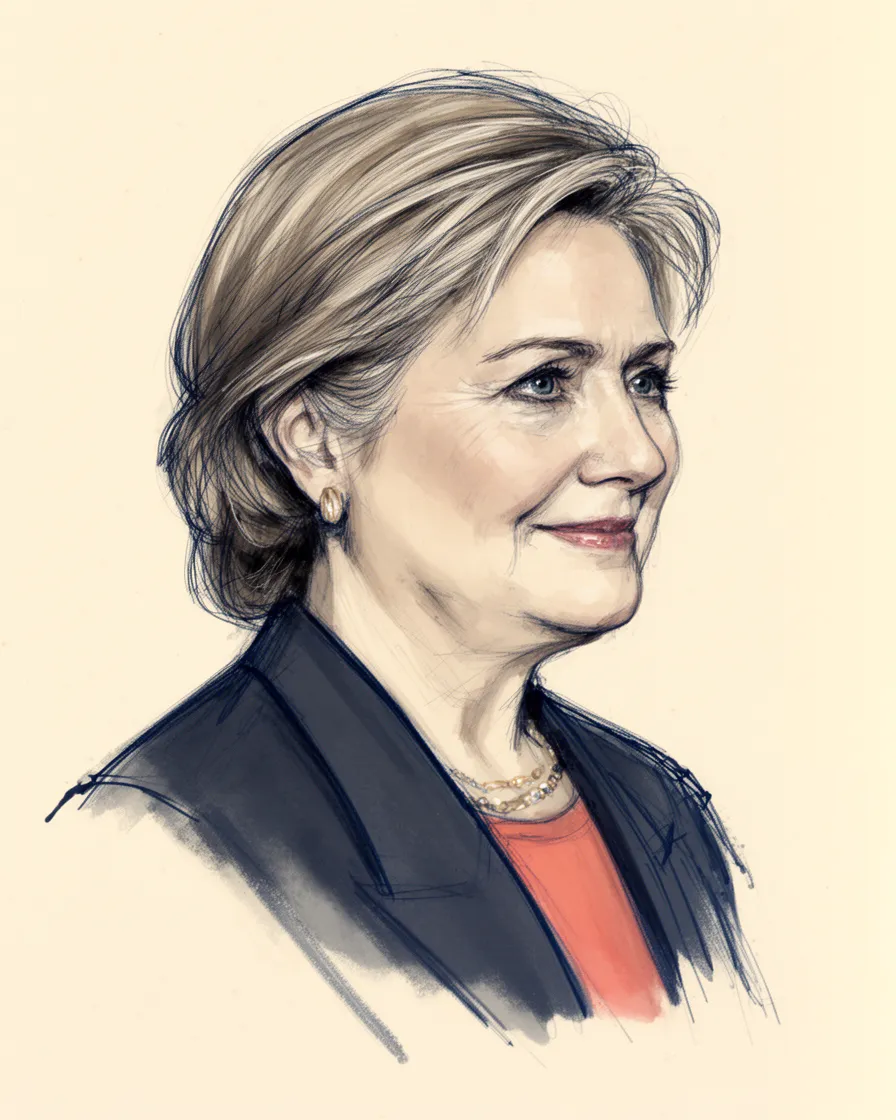
Hillary Clinton on Benghazi Attack
Hillary Clinton views the Benghazi Attack of September 11, 2012, as a tragic terrorist assault that occurred amidst a broader strategic challenge of rising jihadist threats in North Africa. While taking responsibility for security lapses leading up to the event, she has consistently defended the overall response by the State Department and military as timely and ultimately life-saving, while pushing for reforms to prevent future tragedies.
Her public stance has involved honoring the four Americans killed, including Ambassador J. Christopher Stevens, and asserting that ongoing investigations, such as the one by the House Benghazi Committee, have failed to uncover new evidence of wrongdoing specifically against her. Clinton has expressed personal regret over the deaths and emphasized that the mission in Benghazi was considered vital to U.S. national interests, suggesting that closing the facility was never recommended by security officials due to that importance.
Throughout various testimonies and public statements, Hillary Clinton has sought to shift the focus from assigning blame to implementing necessary security improvements and addressing the evolving global terrorism landscape. She has also addressed controversies surrounding initial public statements, maintaining that her assessment, even early on, was that the attack was planned, not merely a spontaneous protest.
Context
As the Secretary of State at the time, Hillary Clinton held the top diplomatic post in the United States government and was ultimately responsible for the security of U.S. diplomatic facilities abroad, including the compound in Benghazi, Libya. The attack resulted in the deaths of four Americans, making the aftermath a central point of intense political scrutiny and multiple congressional investigations during and after her tenure.
Her role meant that security decisions, requests for additional personnel, and the administration's public explanation of the events immediately following the attack fell under her purview, making her testimony and defense of her actions a significant part of her political legacy.
Actions Taken
- Policy ReformLaunched reforms within the State Department to better protect personnel in the field and reduce the chance of future tragedies following the attack.
- Public AcknowledgmentTook responsibility for security lapses at Benghazi and expressed personal regret in testimony before Congress.
- Diplomatic CommunicationAsserted in a call to the Egyptian prime minister the day after the attack that it was a planned attack, not a protest related to a film.
Key Quotes
What difference, at this point, does it make? It is our job to figure out what happened and do everything in our power to prevent it from ever happening again, senator.
I took responsibility and as part of that, before I left office I launched reforms to better protect our people in the field and help reduce the chance of another tragedy happening in the future.
I'll leave it to others to characterize this report but I think it's pretty clear it's time to move on.
Criticism
Accused the administration of stonewalling documents and witnesses, and criticized that no one was fired after the attacks despite the findings of lethal mistakes.
Implied that Ambassador Stevens was in Benghazi because Secretary Clinton wanted the post made permanent, suggesting high-level interest in the location.
Claimed the administration misled the public by suggesting the assault sprang from a protest when it was not the fact, information that could have been ascertained within days.
Sources5
Hillary Clinton testifies on emails, her partnership with Defense Dept.
* This is not an exhaustive list of sources.