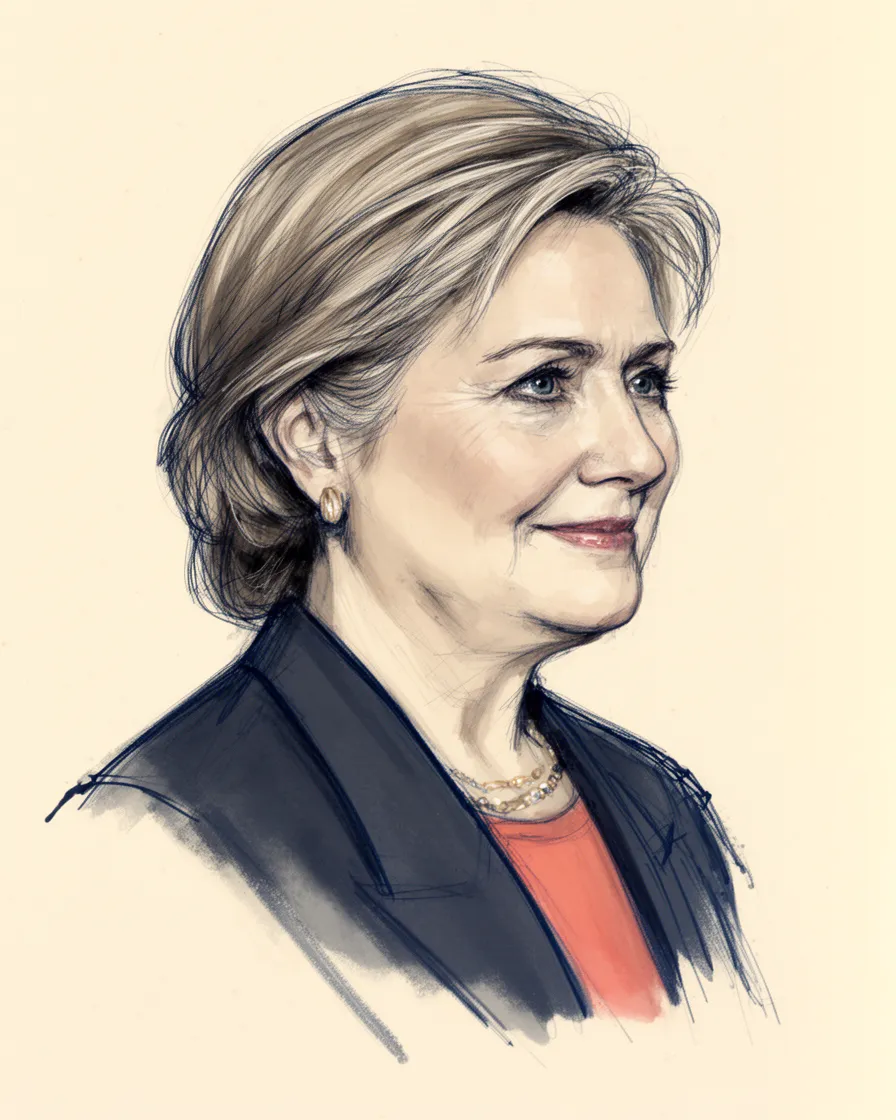
Hillary Clinton on Education
Hillary Clinton expresses a strong belief in the foundational importance of public education to the nation's success, calling it second only to the Constitution in importance for making America great. Her approach generally focuses on improving and supporting existing public schools for K-12 students, though she has also shown support for charter schools as supplementary to excellent public options.
Her platform includes launching a national campaign to elevate the teaching profession by improving teacher support, preparation, and pay, asserting that educators hold the future of the country in their hands. Furthermore, Clinton has detailed plans to address infrastructure by rebuilding crumbling public schools, proposing to expand the Build America Bonds program to finance these projects.
Regarding higher education, Hillary Clinton advocates for policies aimed at significantly reducing the burden of college debt for both current borrowers and future students. A key component of this was her plan to allow students from families earning under a certain income threshold to attend in-state public colleges tuition-free, while making community colleges tuition-free for all.
Clinton has also consistently championed early childhood education throughout her career, supporting initiatives like universal preschool for four-year-olds and significantly increasing investment in programs like Early Head Start to ensure children get a strong start. Additionally, she has focused on systemic reforms, such as working to dismantle the school-to-prison pipeline by reforming overly punitive disciplinary policies.
Timeline
- As a young law student, she researched educational opportunities for migrant children while working with the organization that became the Children's Defense Fund.
- As First Lady of Arkansas, she chaired the Arkansas Educational Standards Commission, pushing for higher academic standards, increased teacher salaries, and reduced class sizes.
- As First Lady of the United States, she convened the first meeting on Hispanic children and youth, focusing on improving access to educational opportunities.
- As a Senator, she voted in favor of the No Child Left Behind Act (NCLB), though she reportedly expressed private reservations about its impact on high-performing districts.
- Expressed criticism of NCLB's overemphasis on standardized testing, worrying about lost creativity and student passion. She also advocated for voluntary math/science standards and supported charter schools.
- During her presidential primary campaign, she supported school-based merit pay for teachers, a position she later appeared to move away from, and emphasized choice among public schools.
- Outlined a comprehensive $350 billion plan for K-12 and higher education reform, including rebuilding schools, elevating teaching, and making public college free for many families.
- Expanded her college affordability plan, which included making in-state public tuition free for families making under $125,000 annually, partly in response to progressive pressure.
Criticism
Some critics expressed concern that her proposals, which relied on tax credits and subsidies, promised more in 'handouts' than the country could afford.
Sources8
Hillary Clinton's educational policies for K-12 students are mostly intended to support America's public schools.
* This is not an exhaustive list of sources.