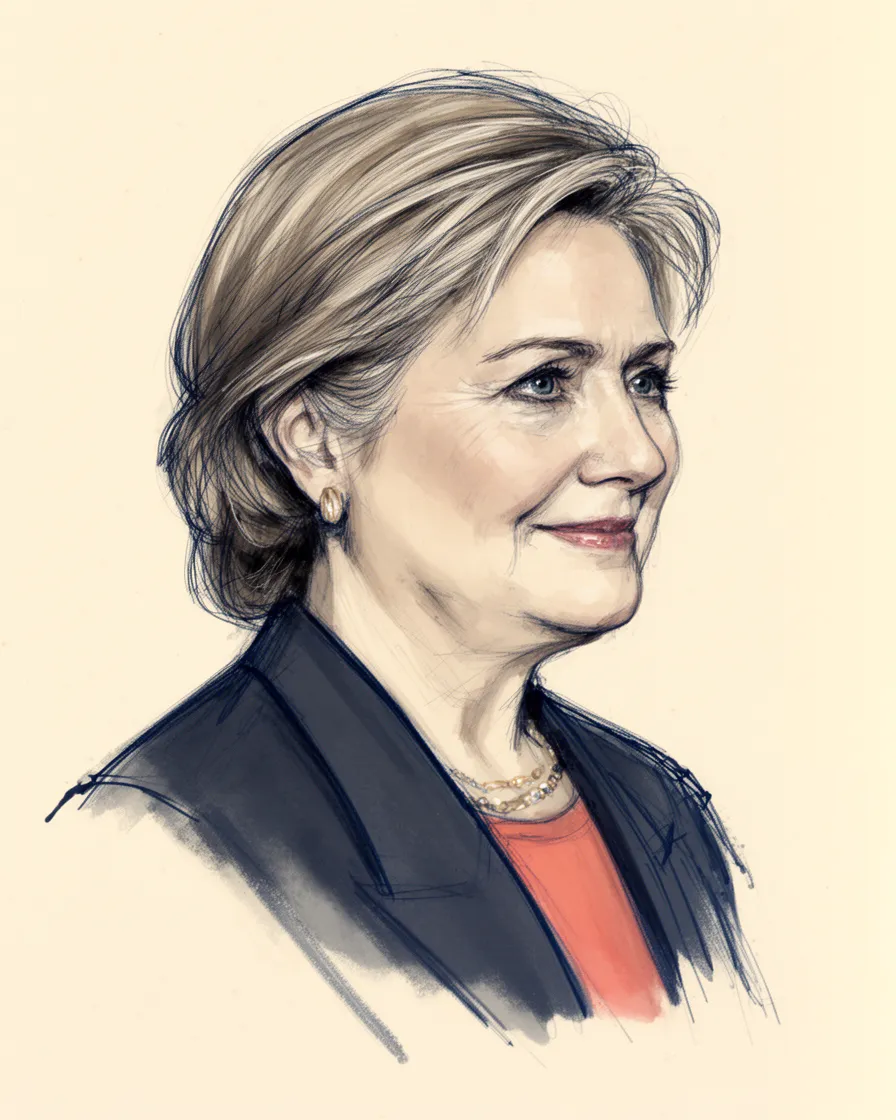
Hillary Clinton on Iraq War
Hillary Clinton's initial stance on the Iraq War centered on her controversial 2002 Senate vote to grant President George W. Bush the authority to use military force against Iraq. She was one of many Democrats who crossed party lines to support the resolution, arguing she believed at the time that Saddam Hussein possessed weapons of mass destruction. This decision has remained a significant point of contention throughout her subsequent political career.
Over time, Clinton publicly acknowledged that the decision to vote for the resolution was misguided, calling it "my mistake". Her explanation for the 2002 vote often involved citing advice from Bush administration officials and her own belief that the resolution would serve as leverage for UN weapons inspectors to complete their work. She argued that President Bush misled her by invading before allowing inspectors enough time.
By the time she ran for the 2008 Democratic presidential nomination, Clinton's position evolved to focus on ending the war. She opposed the 2007 troop "surge" and called for a phased redeployment of forces out of Iraq, stressing that the mission had devolved into policing a sectarian conflict that Congress did not authorize. However, she also indicated that even if elected, she would likely keep a contingent of troops in Iraq for specific missions like fighting Al Qaeda and deterring Iranian aggression.
Context
Hillary Clinton's vote on the Iraq War authorization in 2002 became a defining moment in her political career, particularly during her 2008 and 2016 presidential campaigns. As a sitting Senator from New York at the time of the vote, her decision carried significant national weight.
Her position has often been scrutinized as an example of foreign policy hawkishness, drawing comparisons to her past actions regarding military intervention in the Balkans as First Lady. Her critics, particularly from the left wing of the Democratic party, used this vote as evidence against her foreign policy judgment and integrity.
Timeline
- Senator Hillary Clinton voted in favor of the resolution authorizing President George W. Bush to use military force against Iraq.
- As a presidential candidate, Clinton announced opposition to President Bush's proposed troop 'surge' in Iraq, suggesting resources should instead focus on Afghanistan.
- On the fourth anniversary of the invasion, Clinton stated the war was misjudged and mismanaged, calling for a change in course to start bringing troops home.
- Clinton promised to begin withdrawing troops within 60 days of taking office but maintained that a small contingent must remain to fight terrorism like Al Qaeda.
- Clinton publicly stated that her 2002 vote to authorize the Iraq War was a 'mistake' while campaigning for president.
Key Quotes
I made a mistake.
The 2002 resolution is hopelessly outdated. The fight that Congress approved is not the fight we have in Iraq today. We should end that out-of-date authorization.
I did [believe Saddam Hussein had nuclear weapons]. I know at the end of the Clinton Administration there was a very strong sense that he was reconstituting his nuclear weapons program.
Criticism
Described the 2002 vote as “the key foreign policy vote of modern American history,” suggesting Clinton chose the wrong side of history.
Confronted Clinton shortly before the invasion, arguing the war was one of aggression over non-existent WMDs and that her support would lead to death.
Argued that her decision was conscious, not a mistake due to misinformation, noting she supported invasion even after inspectors failed to find WMDs and voted against amendments that would have required further UN demands first.
Sources5
Hillary Clinton regrets her Iraq vote. But opting for intervention was a pattern.
Hillary Clinton on Iraq War Anniversary
* This is not an exhaustive list of sources.