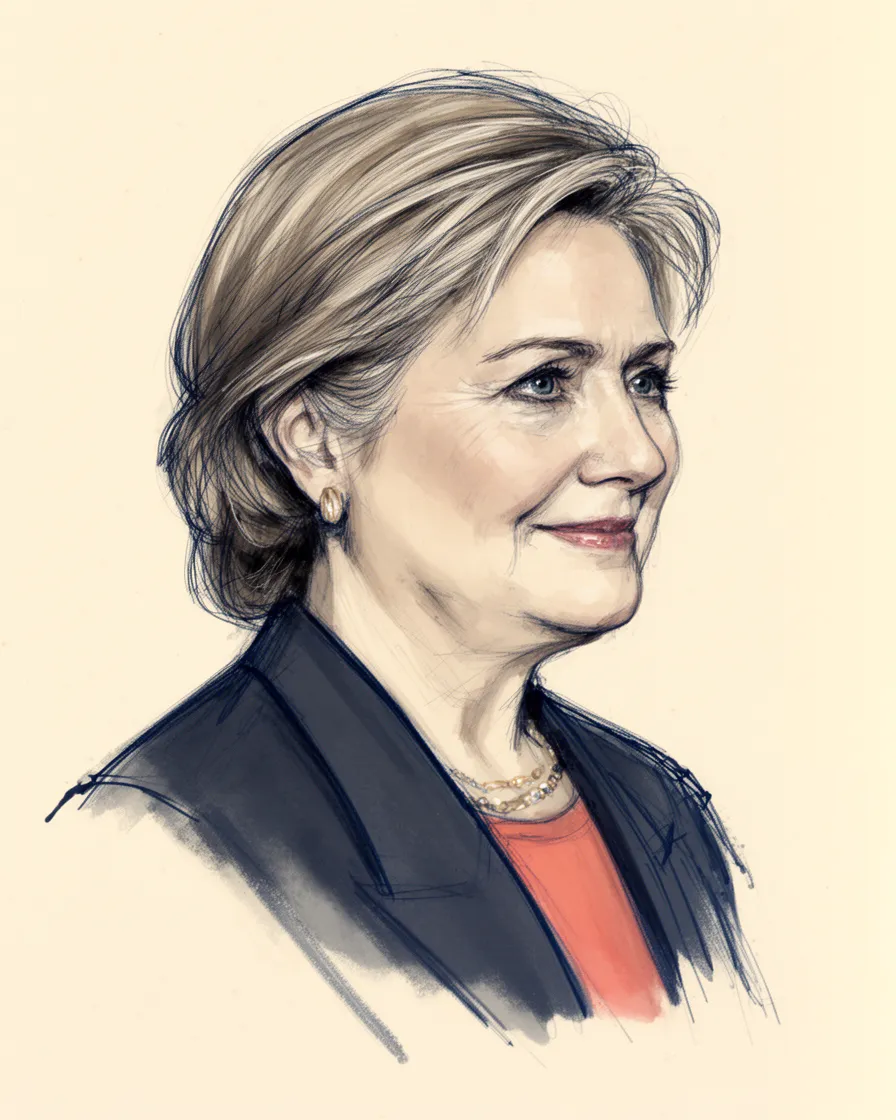
Hillary Clinton on Social Media Censorship
Hillary Clinton advocates for significantly increased content moderation and regulation by social media platforms, warning that a failure to act will result in the loss of “total control.” She has recently argued that existing measures are insufficient and that federal action, including the potential repeal of Section 230, should be a legislative priority to address the negative social and psychological effects of unmoderated content.
Historically, Clinton expressed a contrasting view, emphasizing internet freedom and opposing government censorship regimes in 2011. Her current stance reflects a belief that the evolution of platforms like Facebook, X (formerly Twitter), and TikTok necessitates a shift toward stricter corporate responsibility for content monitoring to prevent real-world harm.
Clinton stated that if platforms do not moderate and monitor content, society risks losing control over not only the social and psychological effects but also tangible, real-life harm. She urged that addressing these threats, especially concerning children, should be at the top of the legislative agenda, noting that Congress has been dysfunctional on the issue.
Context
The discussion around Hillary Clinton's views on social media censorship is framed by her dual roles: a diplomat in 2011 arguing against foreign government censorship, and a contemporary political figure advocating for increased platform responsibility in the US. This shift in focus relates to the perceived domestic threat of misinformation and harmful content proliferating on major US-based platforms.
Her advocacy for platform action is tied to the idea that social media companies are no longer neutral conduits, like a phone company, because their algorithms actively shape what users see. This greater involvement, in her view, warrants greater accountability for the resulting societal impact, distinguishing it from simple free speech protections.
Timeline
- As Secretary of State, Hillary Clinton advocated for internet freedom globally, urging governments to remove technical filters and censorship regimes.
- Clinton asserted that the previous view of non-intervention by platforms was 'overly simple' and called for stronger moderation by companies like Facebook and X to prevent 'real life' harm.
- She specifically mentioned the need for national action and advocated for revisiting Section 230 immunity as a key legislative step to address social media content.
Actions Taken
- Policy AdvocacyHillary Clinton advocated for the repeal of Section 230, a US law granting immunity to platforms for third-party content, as a necessary step toward greater content moderation.
Key Quotes
if they don't moderate and monitor the content, we lose total control and it's not just the social and psychological effects, it's real life harm.
We need national action and sadly, our Congress has been dysfunctional when it comes to addressing these threats to our children.
governments who have erected barriers to internet Freedom whether they're technical filters or censorship regimes or attacks on those who exercise their rights to expression and Assembly. online will eventually find themselves boxed in...
Comparison
- 2011 Position vs. Current Calls: In 2011, Clinton strongly opposed government censorship abroad, characterizing it as unsustainable. Her 2024 comments focus on requiring private companies to censor/moderate content domestically to prevent harm, representing a significant evolution in emphasis.
- Comparison to Free Speech Absolutism: Her recent calls for stronger moderation place her in opposition to advocates who prioritize minimal platform intervention, suggesting she views the current level of unfiltered content as a direct societal threat surpassing free speech concerns in priority.
Sources5
Hillary Clinton calls for more censorship of Americans on social media or ‘we lose total control’ | AllSides
* This is not an exhaustive list of sources.