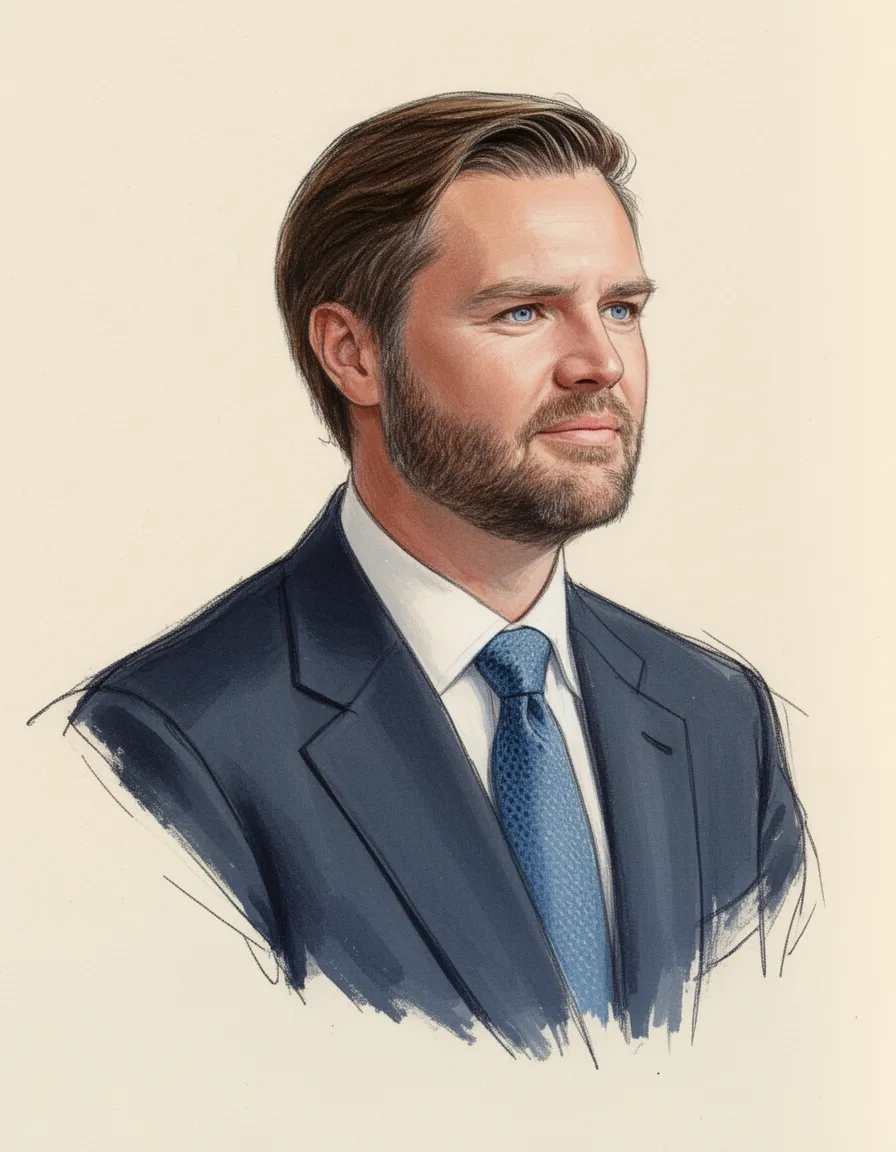
JD Vance generally supports the United States remaining a member of the North Atlantic Treaty Organization (NATO), provided European allies meet specific conditions, particularly regarding defense spending and adherence to American values like free speech. His position is less about abandoning the alliance outright and more about conditioning continued U.S. support on increased burden-sharing by European partners.
As Vice President, Vance has emphasized that the U.S. cannot serve as the world's policeman and that Europe must significantly step up its own continental defense to relieve the American security burden. He connects support for NATO to the idea that allies must respect core American principles, suggesting that a failure to do so, such as perceived threats to free speech, could jeopardize U.S. commitment.
Historically, Vance's stated views have evolved, moving from a general foreign policy stance that might have been more skeptical to one that aligns with the Trump administration's transactional approach to alliances. He has criticized the existing structure where the U.S. appears to subsidize European security interests, aiming for a stronger, more self-sufficient European defense bloc within the alliance.
Context
As Vice President, JD Vance is a key figure in the Trump administration's foreign policy, which has often expressed skepticism toward traditional alliances like NATO. His statements reflect a more transactional or nationalist approach to international security commitments, prioritizing immediate U.S. interests and burden-sharing.
His views contrast with more traditional Republican foreign policy that views NATO as an indispensable guarantor of transatlantic security. Vance frames NATO support through the lens of reciprocity and alignment on fundamental values, which places him in a more populist wing of the party regarding international relations.
Timeline
- Stated that the U.S. should pivot its strategic focus away from Europe and toward East Asia, though he clarified he did not advocate pulling out of NATO entirely.
- Pledged that a Trump-Vance administration would remain in NATO and honor commitments, but insisted that NATO countries must carry their share of the defense burden.
- Stated at the Munich Security Summit that Europe's biggest security threat is 'the threat from within'—a retreat from shared values—rather than Russia, urging greater European self-sufficiency.
- Suggested that continued U.S. support for NATO should be conditional on European allies respecting American values, specifically free speech, citing threats against Elon Musk.
Key Quotes
If NATO wants us to continue supporting them, and NATO wants us to continue to be a good participant in this military alliance, why don't you respect American values and respect free speech?
“It's insane that we would support a military alliance if that military alliance isn't gonna be pro-free speech,”
we don't think you hear this term burden sharing but we think it's an important part of being in a shared alliance together that the Europeans step up while America focuses on areas of the world that are in great danger.
The United States has to focus more on East Asia. That is going to be the future of American foreign policy for the next 40 years, and Europe has to wake up to that fact.
Sources6
JD Vance on U.S. Response to NATO Allies Threatening Americans Over Free Speech
* This is not an exhaustive list of sources.