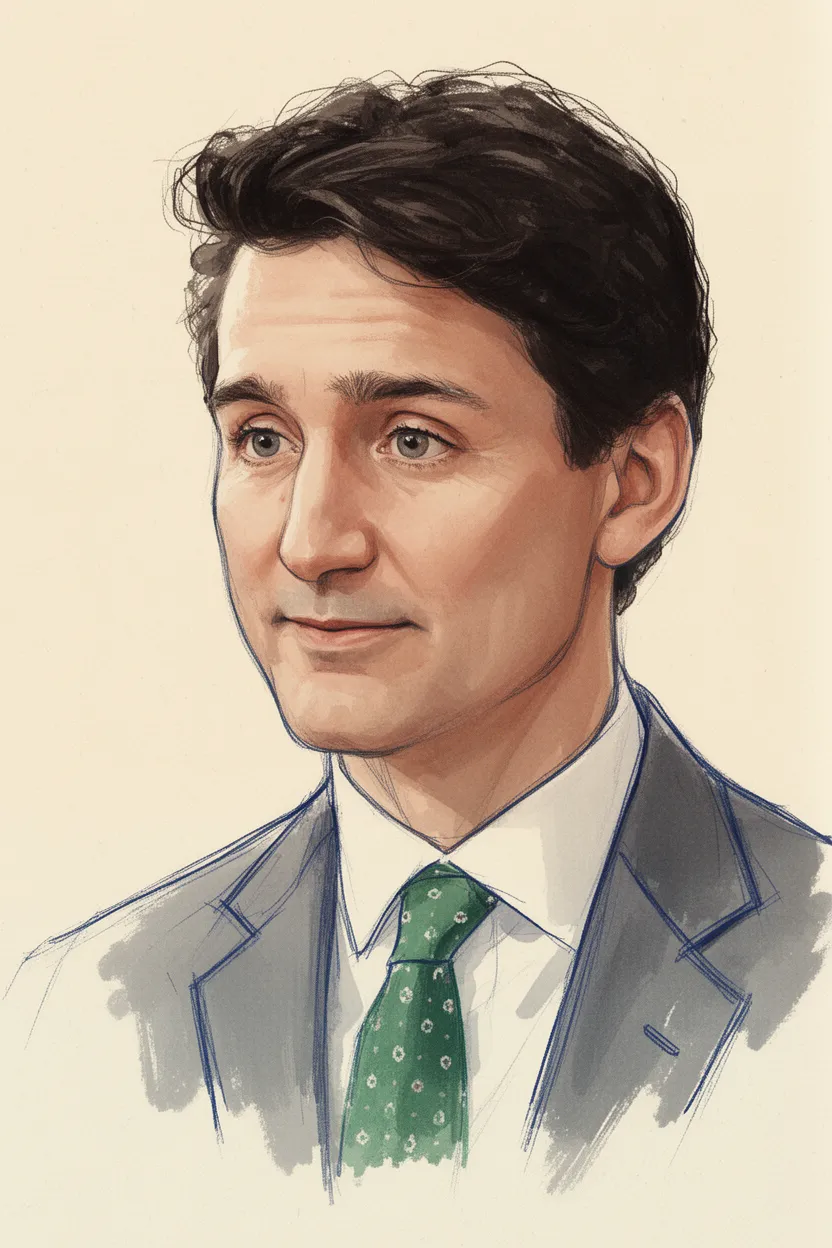
Justin Trudeau on Carbon Tax Policy
Justin Trudeau has been a central figure in implementing and vigorously defending Canada's federal carbon pricing policy, which is a core part of his government's environmental strategy.
He initially announced that he would impose carbon pricing if elected in 2015, framing it as essential for combating climate change and aligning with the Paris Agreement commitments to reduce emissions.
Trudeau consistently emphasized that the system is designed to be revenue neutral for the federal government, with 90% of revenues returned to taxpayers through quarterly rebates like the Canada Carbon Rebate, intended to offset the increased cost of fuels.
Context
The carbon tax policy, formally implemented through the Greenhouse Gas Pollution Pricing Act (GHGPPA), became the centerpiece of Trudeau's climate legacy as Prime Minister starting in 2018 and 2019.
The federal system acts as a "backstop," applying a minimum price on pollution in jurisdictions that do not have an equivalent provincial or territorial system that meets federal standards. Trudeau maintained that pricing carbon pollution incentivizes innovation toward cleaner technologies and discourages pollution-intensive investments.
Actions Taken
- Policy AnnouncementAnnounced the intention to impose carbon pricing if elected, resembling the Medicare model where provinces design systems within federal targets.
- Policy SettingSet an initial federal 'floor' price of $10 per tonne for carbon pollution, scheduled to rise to $50 per tonne by 2022, giving provinces until 2018 to adopt their own plans.
- Policy IncreaseAnnounced that the federal price on pollution would continue rising by $15 annually after 2022 to reach $170 per tonne by 2030, as part of a plan to exceed 2030 emissions targets.
- Policy ExemptionSuspended the carbon tax for home heating oil in several provinces due to public outcry over rising energy costs.
Key Quotes
The effects of climate change are everywhere, and they are a constant reminder of the need to act now. While climate change is the biggest challenge of this generation, it also provides the opportunity to do better while growing the economy.
Eight out of 10 families across the country in federal backstop jurisdictions make more money with the Canada Carbon Rebate than it costs with the price on pollution.
My job is not to be popular.
Criticism
Framed the levy as a 'tax plan dressed up as an emissions plan' that makes everything more expensive for those who can least afford it, like replacing a furnace or buying an electric vehicle.
Accused of misleading Canadians by not acknowledging or informing them about the accompanying Canada Carbon Rebate that offsets the cost for most households.
Argued that the policy contributes to inflation and rising costs of living, making it a political liability for the Liberal government.
Sources5
Carbon pricing in Canada - Wikipedia
* This is not an exhaustive list of sources.