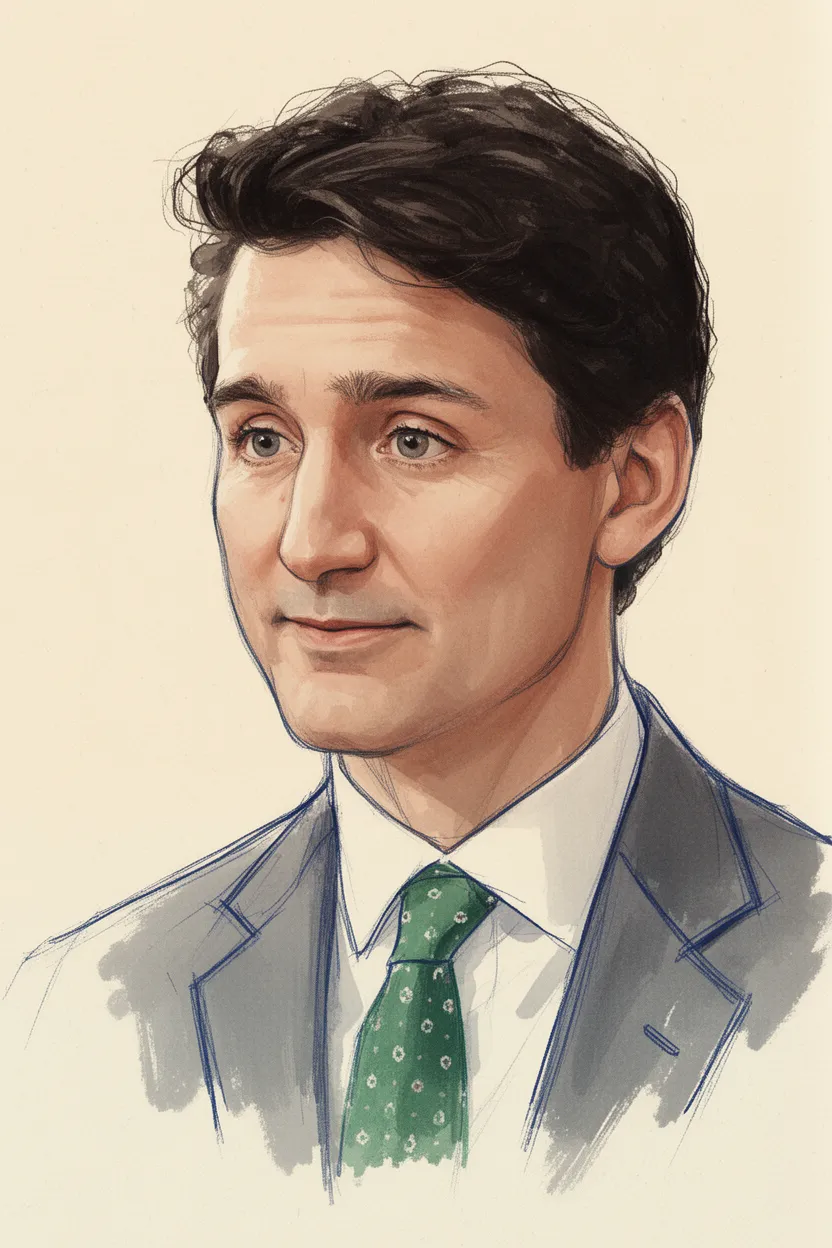
Justin Trudeau on Temporary Foreign Workers Program
Justin Trudeau's government oversaw a substantial increase in Canada's overall immigration targets, a policy framework which would inherently impact the use and scope of the Temporary Foreign Workers Program (TFWP).
His administration's stated rationale for raising immigration levels, which included temporary residents, was explicitly tied to stimulating the Canadian economy during his tenure as Prime Minister.
While Trudeau has publicly emphasized high immigration targets, direct, detailed commentary focusing only on the specific regulations or controversies surrounding the TFWP itself is less prominent in the provided context than broader immigration policy.
Context
As Prime Minister of Canada from 2015 to 2025, Justin Trudeau held the ultimate authority over federal immigration policy, which includes the administration and regulation of the Temporary Foreign Workers Program (TFWP).
His government's broad approach to immigration, which included setting ambitious intake targets, places the TFWP within a larger economic strategy.
Actions Taken
- Policy DirectionAdvisors recommended drastically increasing immigration levels to stimulate the economy, which would affect the volume of temporary residents.
- Immigration Target SettingThe government increased immigration targets annually, reaching almost 1 million newcomers (permanent and temporary residents) in both 2022 and 2023.
- Immigration Target SettingThe government announced an intention to admit 500,000 immigrants per year by 2025, continuing the trend of high intake.
- Policy AdjustmentIn response to cost of living crises, the government announced cuts to immigration targets, affecting future intake levels for both permanent and temporary residents.
Criticism
The administration faced warnings about the impact of rapid population growth, which includes temporary residents, on housing and services.
The high rate of population growth under the Trudeau government, including temporary residents, has been linked to the cost of living and housing crises.