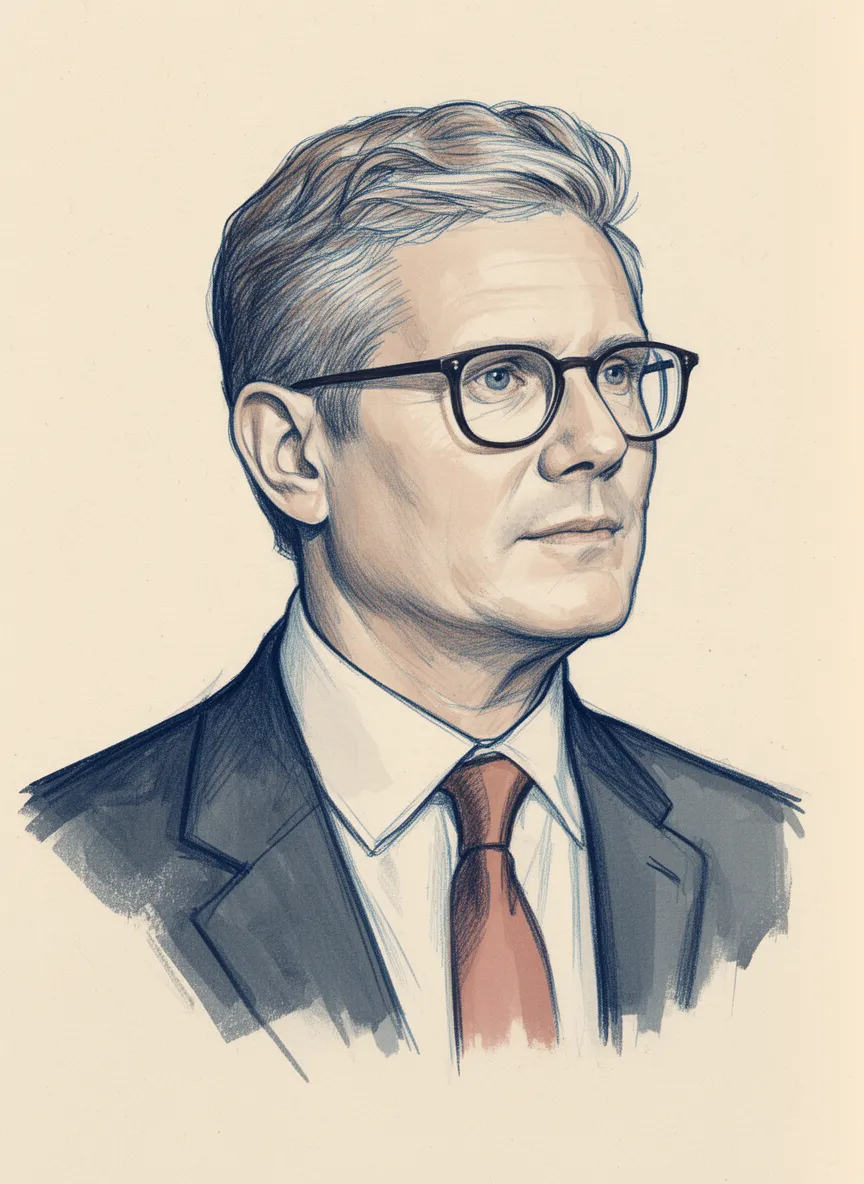
Keir Starmer on Jeremy Corbyn
Keir Starmer's relationship with Jeremy Corbyn is primarily defined by the transition of leadership within the Labour Party following the 2019 general election defeat. Starmer succeeded Corbyn as Labour leader in 2020, having served as his Shadow Brexit Secretary.
Upon winning the leadership contest, Starmer paid tribute to Jeremy Corbyn, thanking him for energising the Labour movement and calling him a friend, while simultaneously pledging to bring the entire party together. His subsequent leadership focused on moving the party towards the political centre and specifically addressing the antisemitism that had deeply affected the party under Corbyn's leadership.
Starmer's political realignment involved abandoning many of the left-leaning policies upon which he campaigned, which were largely seen as extensions of the Corbyn era platform. This ideological shift, described by some commentators as a move towards New Labour, created distance between Starmer's modern Labour Party and the left-wing politics associated with Jeremy Corbyn.
Timeline
- Starmer resigned from the Shadow Cabinet in protest at Corbyn's leadership following the EU Referendum result.
- Starmer accepted a new role as Shadow Secretary of State for Exiting the European Union under Corbyn following the leadership election.
- Corbyn announced his resignation after Labour's defeat in the general election, paving the way for a leadership contest.
- Starmer was declared the winner of the Labour leadership election, succeeding Jeremy Corbyn.
- As Leader of the Opposition, Starmer emphasised moving the Labour Party towards the political centre and eliminating antisemitism.
Actions Taken
- Shadow Cabinet RoleServed as Shadow Brexit Secretary in Jeremy Corbyn's Shadow Cabinet until resigning in June 2016.
- Leadership TransitionSucceeded Jeremy Corbyn as Leader of the Labour Party after winning the leadership election.
- Party AppointmentsAppointed Rebecca Long-Bailey (a Corbyn-era Shadow Cabinet member) to his Shadow Cabinet initially, before later reshuffles reduced the presence of the soft left.
Key Quotes
I want to pay tribute to Jeremy Corbyn, who led our party through some really difficult times, who energised our movement and who's a friend as well as a colleague.
Comparison
- Policy Alignment: Starmer abandoned many of the left-wing pledges from his own 2020 leadership campaign, which shared common ground with Jeremy Corbyn's platform, such as scrapping tuition fees and supporting 'common ownership' of utilities.
- Antisemitism: A key action taken by Starmer was emphasising the elimination of antisemitism within the party, directly addressing a major controversy that dogged Jeremy Corbyn's time as leader.
- Electoral Strategy: Starmer moved the party towards the political centre, contrasting with the more overtly left-wing electoral strategy under Jeremy Corbyn.