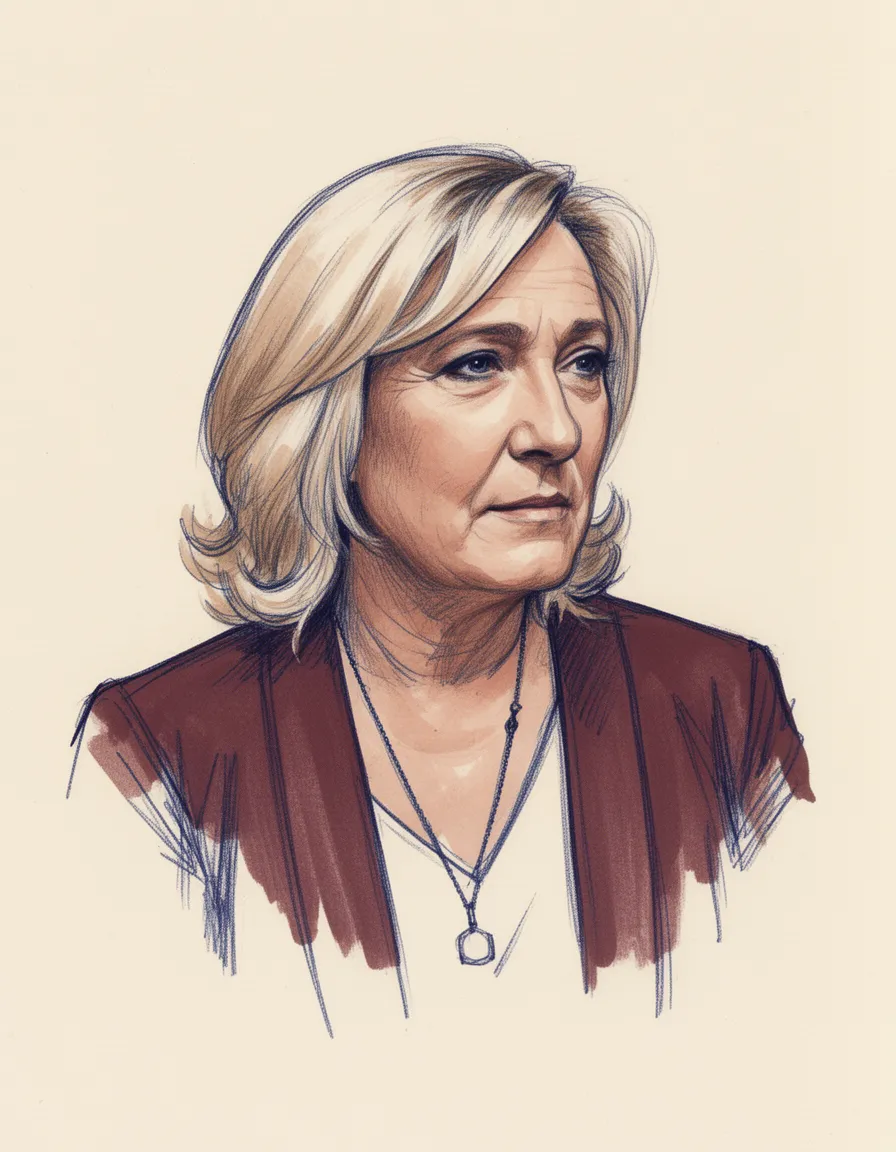
Marine Le Pen on GDP
Marine Le Pen's economic policy framework prioritizes economic nationalism and protectionism, often positioning itself against the abstract goal of maximizing Gross Domestic Product (GDP). Her critique is aimed at the effects of globalization and what she terms the "Europe of Brussels," which she claims imposes destructive ultra-liberalism and free trade at the expense of French employment and social equity. Le Pen has denounced this system for leading to France having one of the world's weakest economic growths over the last twenty years, implying that GDP is a poor reflection of national prosperity under the current structure. Instead of focusing on raising GDP through global integration, Le Pen's platform emphasizes reindustrialization, energy independence, and protecting French sectors, suggesting that economic health is best measured by domestic self-sufficiency and the welfare of the French people, not by aggregate growth statistics alone.
Context
Marine Le Pen's political platform frames economic issues through the lens of national sovereignty and resistance to globalization. Since her early leadership of the National Front (FN), she has consistently advocated for an interventionist state role to shield French industries and workers. This viewpoint makes traditional Western metrics like GDP a secondary concern to the implementation of policies like protectionism and national preference.
Timeline
- As newly elected FN president, Marine Le Pen denounced the 'Europe of Brussels' for imposing ultra-liberalism and free trade.
- During her first presidential campaign, she presented a plan to reduce France's debt and focused on re-industrialisation, highlighting economic and social issues.
- Le Pen launched her third presidential campaign, continuing to emphasize reindustrialization and national economic defense.