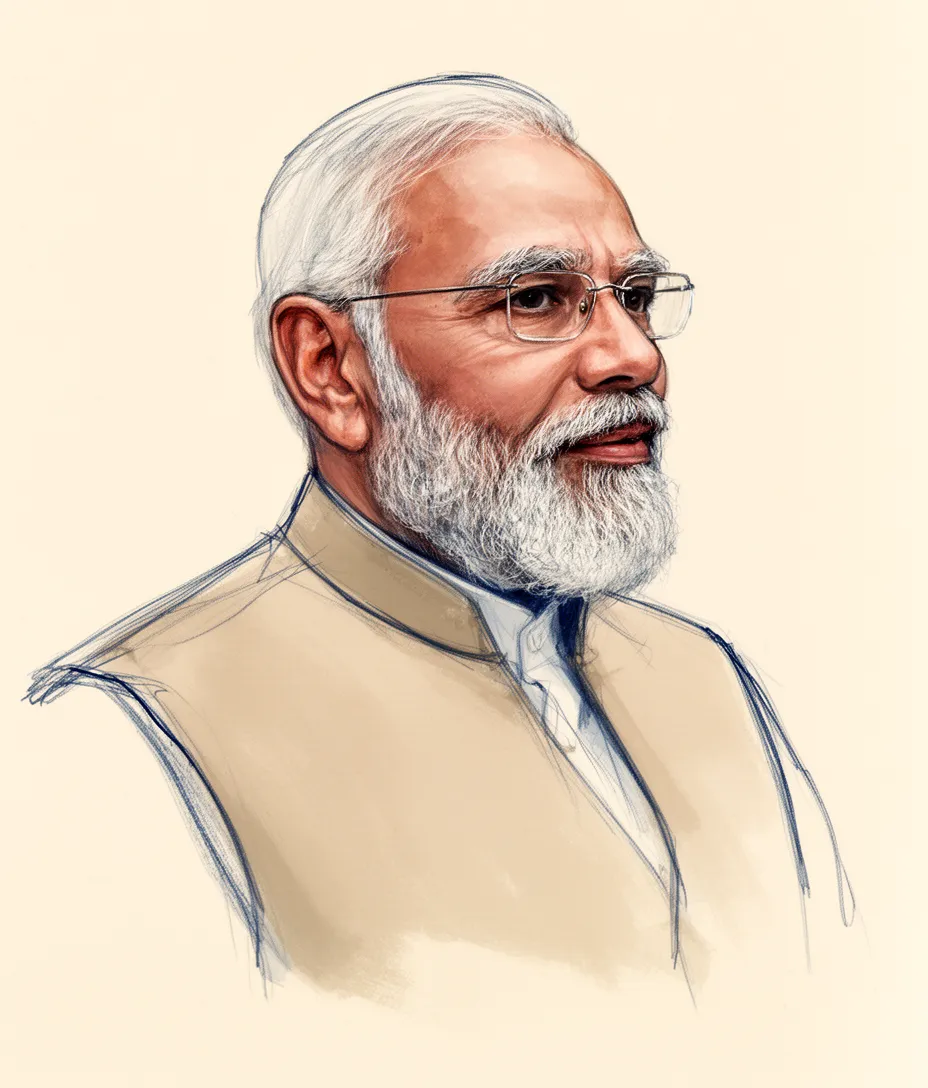
Narendra Modi on Demonetisation
Narendra Modi strongly advocated for the demonetisation of high-value banknotes in 2016, framing it as a necessary structural reform against corruption and the shadow economy. He presented the move as a massive cleaning drive intended to bring unaccounted wealth into the formal economy and curb illegal activities like terrorism financing.
Modi acknowledged the immediate disruption and pain caused by the withdrawal of the ₹500 and ₹1,000 notes but asked citizens to endure this hardship for 50 days for the long-term gain of a cleaner India. He positioned the action as the beginning of a long battle against black money and corruption, aligning with his administration's broader goals of economic transformation.
His stated long-term goals included boosting the economy through the introduction of previously hoarded cash into the active system and accelerating the move towards a cashless society. This policy was also explicitly linked by Modi to efforts to reduce the use of illicit and counterfeit currency.
Context
The demonetisation decision was a major policy move enacted by Narendra Modi's government in 2016 during his first term as Prime Minister. It involved invalidating the ₹500 and ₹1,000 banknotes, making it a significant economic and social event.
This action was taken to directly address black money, corruption, counterfeit currency, and the funding of terrorism, which Modi identified as long-standing afflictions on the Indian economy for 70 years.
Actions Taken
- Policy announcementAnnounced the demonetisation of all ₹500 and ₹1,000 banknotes of the Mahatma Gandhi Series in an unscheduled televised address.
- Stated objectiveStated the move was intended to curtail the shadow economy, increase cashless transactions, and reduce the use of illicit/counterfeit cash for terrorism.
- Policy signalIssued warnings that action would follow against benami property as part of the ongoing anti-corruption projects.
- Political mobilizationRallied BJP MPs who passed a unanimous resolution endorsing demonetisation as a "great crusade" against black money.
Key Quotes
We took the demonetization decision not for some short-term windfall gain, but for a long term structural transformation.
Maine sirf pachas din mange hai… If we have to struggle for 50 days to punish the corrupt, should we not do it… There is pain due to my decision, but there is more gain… I will stand with you.”
Demonetisation is not the end but the beginning of a “long, deep and constant” battle against black money and corruption...
This is a massive swachhata abhiyaan (cleaning drive).
Criticism
The consensus post-event suggested that demonetisation was not the correct approach to target black money and was ultimately unsuccessful.
Cornered the government over the measure, citing the severe hardships being faced by the masses due to the sudden cash shortages.
Sources5
India's Modi says demonetisation will boost economy
* This is not an exhaustive list of sources.