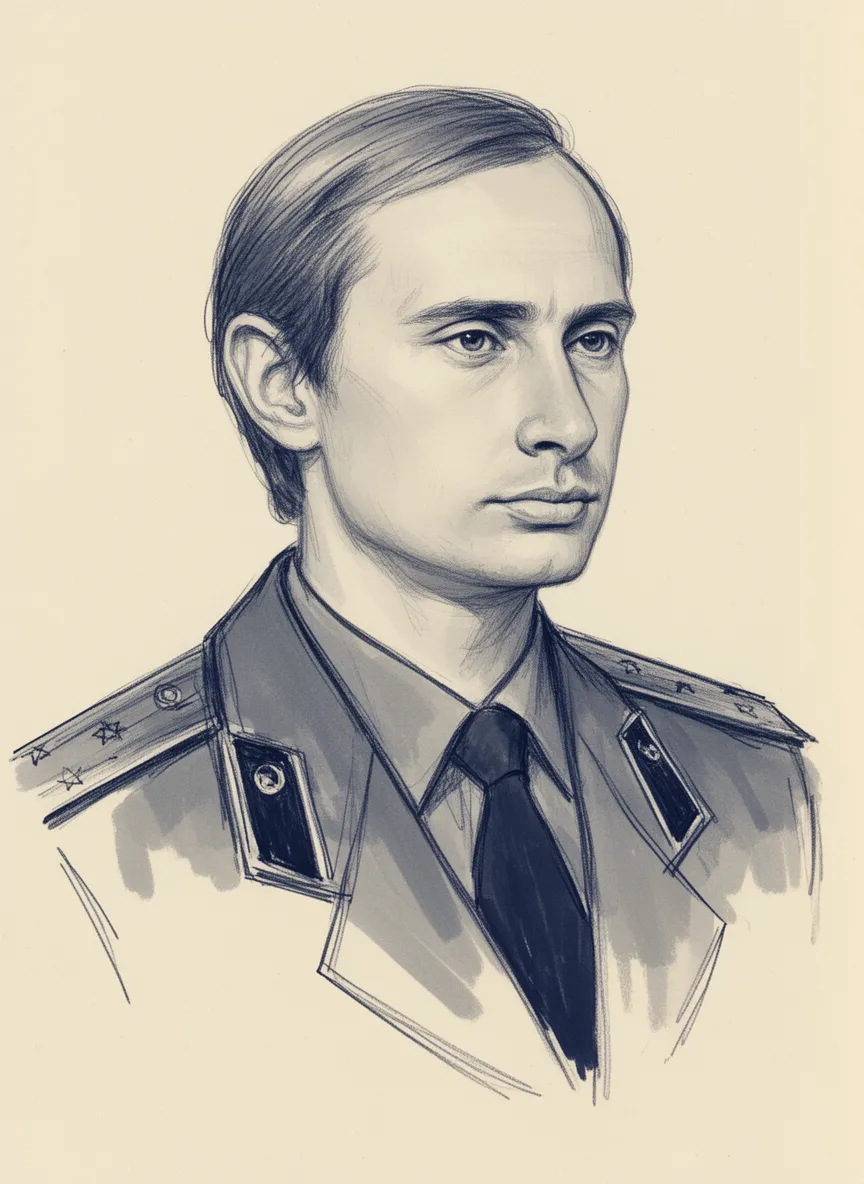
Vladimir Putin on Gaza conflict
Vladimir Putin characterizes the scale of the violence in Gaza not as a conventional war, but rather as a "total destruction of the civilian population" following the Hamas terrorist attack on Israel. He has described the situation in the Gaza Strip as a humanitarian catastrophe, which he stated in December was on a scale incomparable to the war in Ukraine. This strong condemnation of the destruction frames Putin's overall view on the immediate events unfolding in the territory.
Fundamentally, Putin asserts that the primary solution for the Israeli-Palestinian conflict remains the creation of a Palestinian state with East Jerusalem as its capital, a position Russia has held since the Soviet era. He criticizes the United States for attempting to "monopolize the peace process" and failing to deliver a resolution through political compromises, indicating a willingness for Russia to play a greater mediating role.
Putin has also signaled openness to engaging with new international frameworks, such as accepting an invitation to join the U.S.-led "Board of Peace" for Gaza, though Moscow is seeking clarification on the details of the proposal. Furthermore, he identified Turkish President Tayyip Erdogan as a key player capable of significantly influencing peace efforts in the region due to his standing in the Islamic world.
Context
Vladimir Putin's position on the Gaza conflict is deeply rooted in Russia's long-standing foreign policy, which has historically supported the Palestinian cause dating back to the Soviet Union era. This stance allows Moscow to position itself as a counterweight to the United States in Middle East diplomacy.
Putin's relationship with Israel has become strained amid the war, contrasting with previous periods where he maintained close personal ties with Israeli leadership, such as with former Prime Minister Benjamin Netanyahu. This complexity is further overlaid by Russia's need to maintain its strategic alliance with Iran, a key supporter of groups hostile to Israel, as Russia continues its war in Ukraine.
Timeline
- Putin broke his silence after three days by decrying the "catastrophic" civilian deaths in Gaza and blaming US foreign policy failures for creating the conditions for the violence. He emphasized the need to solve fundamental political issues, primarily the creation of a sovereign Palestinian state.
- He described the situation in the Gaza Strip as a "catastrophe" on a scale that could not be compared to the war in Ukraine.
- Russian President Vladimir Putin reiterated his view that the actions in Gaza resemble "total destruction of the civilian population" rather than a war and reaffirmed Russia's readiness to assist in resolving the situation.
- He stressed that the conflict must conclude with the establishment of a Palestinian state and called for the reactivation of the Middle East Quartet to resume mediation efforts, criticizing the US for abandoning the mechanism.
Actions Taken
- Diplomatic EngagementSpokesman Dmitry Peskov confirmed that President Putin received an invitation to join the new U.S.-led international "Board of Peace" focused on Gaza, which Moscow is currently reviewing.
Key Quotes
What is happening now in Gaza in response to the terrorist attack on Israel, does not resemble a war. It is a kind of total destruction of the civilian population.
We are against terrorism in all its manifestations, against attacks against civilians — at any place and at any country.
The primary solution to the Palestinian problem is the establishment of a fully-fledged Palestinian state.
Sources6
Putin says Gaza conflict not a war but 'total destruction of civilian population'
* This is not an exhaustive list of sources.