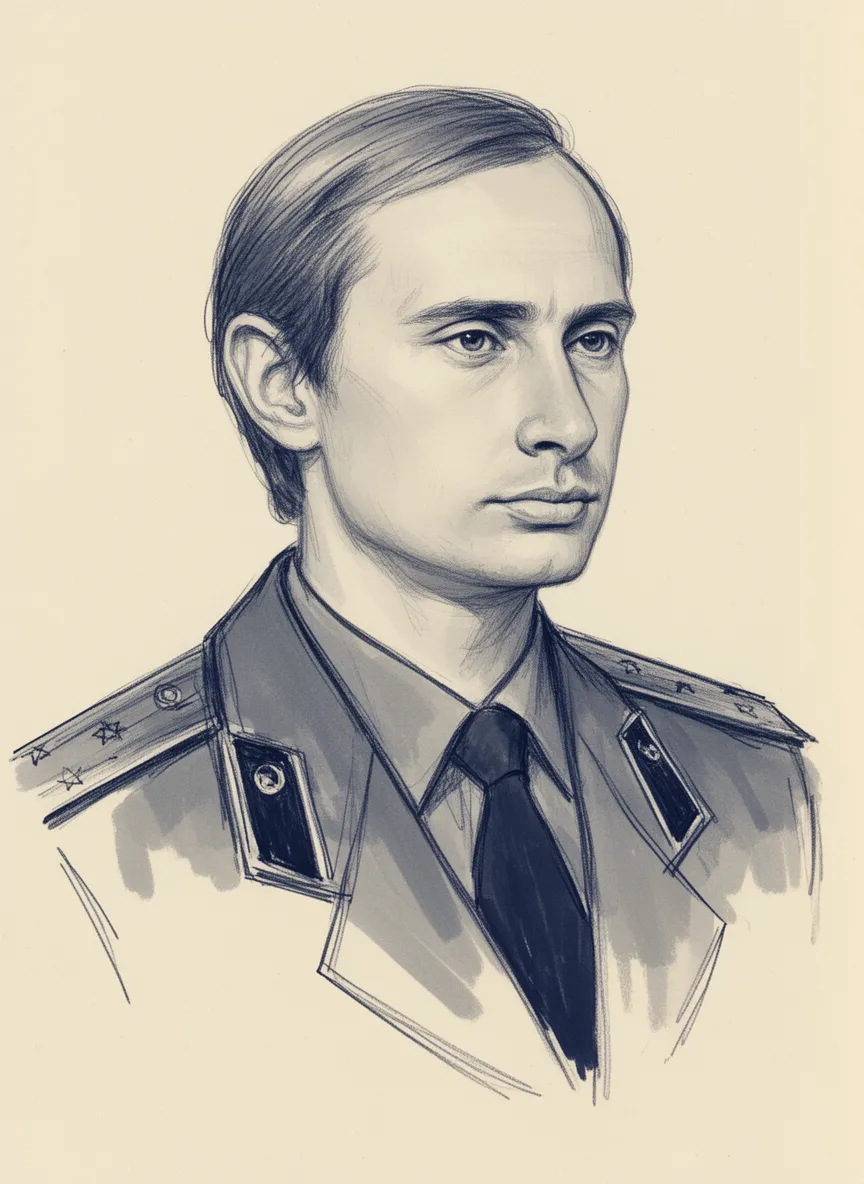
Vladimir Putin on Relations with Serbia
Vladimir Putin consistently affirms the status of Russia-Serbia relations as a strategic partnership, asserting that this relationship is mutually beneficial and generates positive outcomes for both countries. He has expressed this view directly to Serbian leadership, such as Aleksandar Vučić, during high-level meetings, including those in Beijing and Moscow.
Putin stresses the importance of energy cooperation, positioning Russia as a key guarantor of Serbia's energy security, with Gazprom consistently supplying natural gas, often exceeding agreed volumes at Belgrade's request. He also calls for efforts to revitalize bilateral trade, noting a recent decline which he aims to address through continued collaborative work via intergovernmental commissions.
Furthermore, Vladimir Putin underscores Russia's support for Serbia's position on Kosovo, which Moscow views as essential for maintaining stability in the Balkans. Putin contrasts this closeness with what he perceives as a destabilizing role played by the United States and other Western nations asserting a dominant influence in the region.
He values Serbia's independent foreign policy, particularly its decision, despite EU candidacy and Western pressure, not to impose sanctions on Russia following the invasion of Ukraine. This stance is linked to historical solidarity, such as marking the liberation of Belgrade in World War II together.
Context
Vladimir Putin views Serbia as a crucial Slavic ally in the Balkans, a region where Moscow seeks to counterbalance growing Western influence, particularly that of the EU and NATO. The relationship is built upon shared historical narratives, including the WWII alliance between the Soviet Union and Yugoslavia.
This relationship is particularly significant because Serbia is an EU candidate country that remains steadfast in refusing to align with Western sanctions against Russia, setting it apart from most other European nations. Furthermore, Serbia is not a member of, nor does it aspire to join, NATO, a military alliance whose expansion Putin views as an "erroneous and destructive military and political strategy."
Timeline
- Putin visited Belgrade, pledging to deepen economic ties and explicitly supporting Serbia's position on Kosovo. He was met by large crowds and emphasized stability in the Balkans.
- Putin accused the United States of destabilizing the Balkans through its pursuit of a dominant role, contrasting it with Russia's goal of stability.
- During a meeting with Vučić, Putin reaffirmed Russia as the key guarantor of Serbia's energy security through uninterrupted, favorable gas supplies.
- Putin characterized the strategic partnership as mutually beneficial and agreed with Vučić to collaborate on mitigating the impact of US sanctions on the NIS oil company.
Actions Taken
- Economic cooperationAgreed with Serbian President Vučić to jointly work on addressing American sanctions against the Serbian energy company NIS.
- High Level diplomatic engagementHosted Serbian President Vučić at the Kremlin, underscoring close ties and reaffirming energy cooperation.
- State honor/RecognitionPinning the Order of Alexander Nevsky on Serbian President Aleksandar Vučić's lapel during a visit to Belgrade.
- Bilateral agreementsSigned numerous deals and memoranda with Serbian counterparts, covering areas from energy to education, during a visit.
Key Quotes
Our strategic partnership is mutually beneficial and brings positive results for both Russia and Serbia.
Russia remains the key guarantor of Serbia's energy security.
We know that there were attempts to prevent your visit and certain logistical difficulties were created, but you came, and we appreciate it greatly.
Russia, like Serbia, wants the situation in the Balkans to remain stable and safe.
As far as the situation in the Balkans is concerned, the policy of the United States and some other Western nations aimed at asserting their dominant role remains a serious destabilizing factor here.
What Others Say
Serbian President Vučić characterized his talks with Putin as being like between friends, emphasizing the vital importance of Russian gas supplies and thanking Putin for consistent support for Serbia's territorial integrity.
Sources5
thewesternbalkans.com
* This is not an exhaustive list of sources.