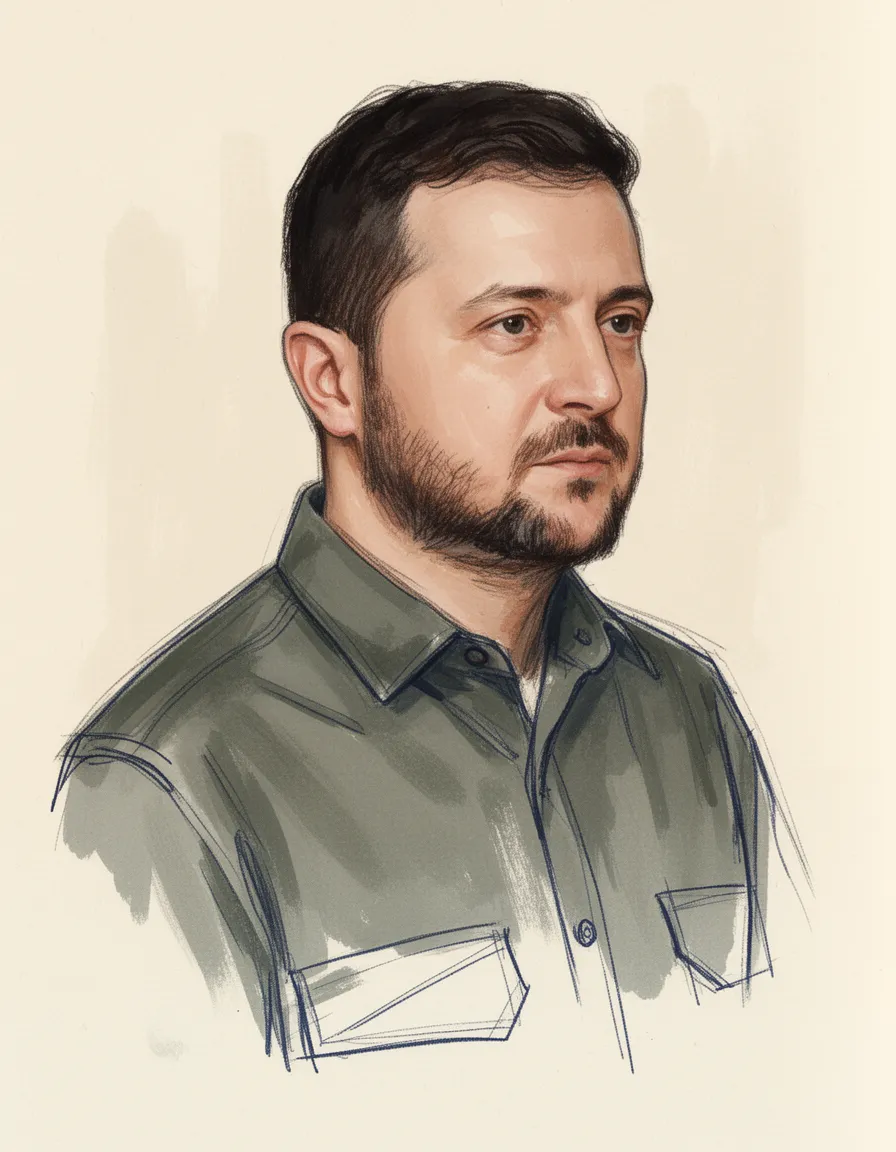
Volodymyr Zelenskyy on Energy
Volodymyr Zelenskyy views the energy sector as a critical front in the war, especially in response to systematic Russian strikes on infrastructure during cold weather.
His current focus is on immediate crisis management, which involves declaring a state of emergency for the energy sector to gain flexibility in response measures. This includes efforts to rapidly increase electricity imports and secure necessary equipment from international partners.
Historically, Volodymyr Zelenskyy also strongly opposed projects like Nord Stream 2, labeling it a "dangerous geopolitical weapon" of the Kremlin that threatened both Ukraine and wider European security. His administration's actions are now centered on bolstering grid resilience and addressing widespread power and heating outages across the country, particularly in cities like Kyiv, Kharkiv, and Zaporizhzhia.
Context
Volodymyr Zelenskyy's energy policy is intrinsically linked to Ukraine's defense against Russian aggression, as energy infrastructure has become a primary target since the 2022 full-scale invasion. The attacks aim to break Ukrainian resistance by causing widespread power and heating outages, especially during harsh winter conditions.
His leadership role requires him to manage both the military defense and the domestic front of energy security, which directly impacts civilian welfare and the country's overall resilience. The immediate crisis response often involves high-level coordination with foreign allies for energy aid and technical support.
Actions Taken
- Emergency DeclarationOrdered the declaration of a "state of emergency" in Ukraine's energy sector due to relentless Russian strikes on heat and electricity supplies and severe winter weather.
- International ProcurementOrdered the government to accelerate efforts to increase electricity imports and procure additional equipment from international partners to boost resilience.
- DeregulationTasked the government with streamlining rules for connecting backup energy equipment to the grid under the state of emergency measures.
- CoordinationOrdered the establishment of a permanent coordination headquarters, with the Minister of Energy overseeing efforts to support citizens and communities affected by infrastructure damage.
- Policy StatementSlammed the Nord Stream 2 pipeline as "unacceptable" and a "threat" to Europe, advocating for energy source diversification within a US, Poland, and Ukraine triangle.
- Policy StatementDescribed the Nord Stream 2 pipeline as a "dangerous geopolitical weapon" of the Kremlin that carries security risks for Ukraine and all of Europe.
Key Quotes
Overall, a state of emergency will be declared for Ukraine's energy sector.
We want the diversification of sources of energy delivery within the US, Poland and Ukraine triangle.
Nord Stream 2 is unacceptable and it threatens Europe as a whole.
We view this project exclusively through the prism of security and consider it a dangerous geopolitical weapon of the Kremlin.
Criticism
The Mayor of Kyiv countered Zelenskyy's statements about insufficient preparation in the capital by asserting that thousands of professionals were working tirelessly, suggesting Zelenskyy's remarks undermined their efforts.
Sources6
Zelenskiy slams Nord Stream 2 as Ukraine seeks LNG gas from the US
Zelensky: Only U.S. can prevent Nord Stream 2 from being completed
Ukraine President Zelensky Warns Nord Stream2 'dangerous Political Weapon'
Zelenskyy says to declare “state of emergency” in Ukraine’s energy sector
Zelenskyy orders faster electricity imports, equipment provisions from Ukraine's partners
Zelensky declares state of emergency in Ukraine's energy sector as crisis worsens
* This is not an exhaustive list of sources.